
Japanese fans question whether Blue Lock represents Japanese football at the World Cup
As Japan continues to advance in the 2026 World Cup, there is a parallel debate that has nothing to do with sports results. A tweet from a Japanese user reopened a recurring discussion: why Blue Lock has become the unofficial face of Japanese football in each World Cup, leaving classics of the genre such as Captain Tsubasa?
What sparked the Blue Lock debate?
Each edition of the World Cup brings with it a wave of official illustrations and themed content from Blue Lockwith its characters wearing the uniform of the Japanese team — something that fans already expect almost as a tradition in each tournament. This time, a tweet from a Japanese user expressed his discomfort with this dynamic, pointing out that he finds it annoying how Blue Lockin every World Cup, behaves as if it were Japan's official “national” soccer manga.
The publication generated considerable debate, especially among those who feel that other football mangas with more history or greater fidelity to the real sport have been completely overshadowed by the phenomenon of Blue Lock in the international imagination.
Why do some fans feel Blue Lock doesn't represent football well?
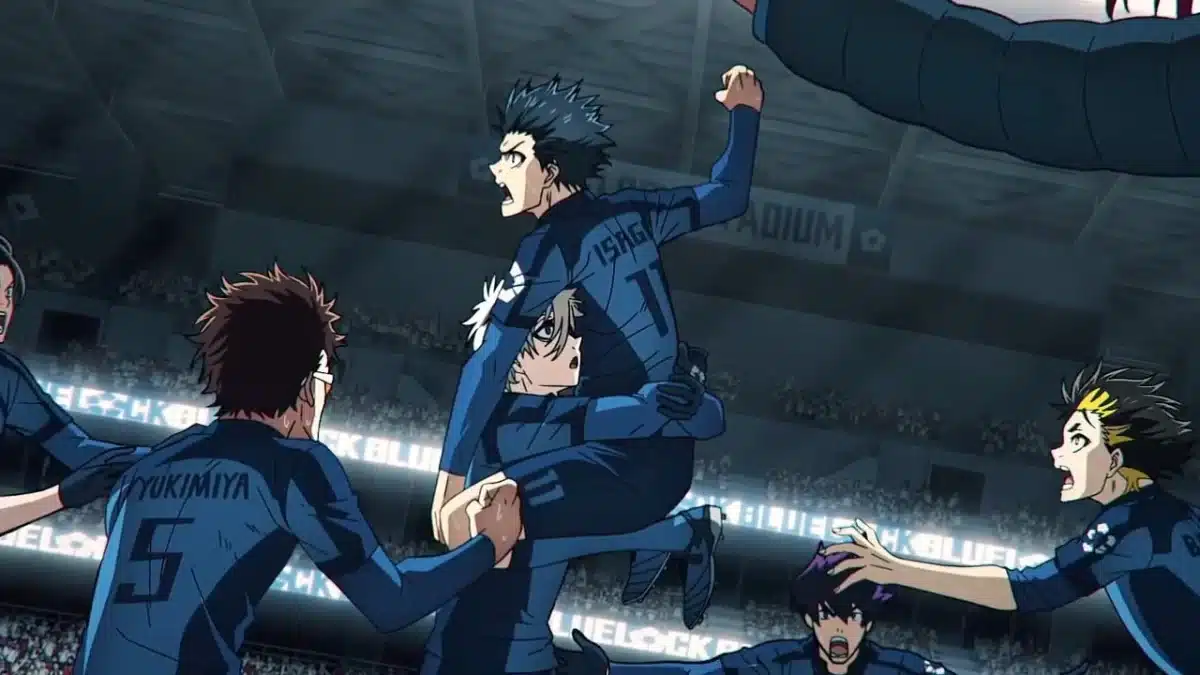
An important part of the criticism does not point so much to the popularity of the work, but rather to its relationship with sports realism. Several comments pointed out that Blue Lock It is enjoyed more for its charismatic characters and memorable phrases than for a faithful representation of football as a sport, contrasting it with series like Ao Ashiwhose author is described as a true football fan, or Be Bluesrepeatedly mentioned as a top recommendation within the genre.
One particularly repeated criticism pointed to a specific scene in the play, where a character makes a joke about “getting pregnant” after scoring a goal, as an example of the series prioritizing spectacle over sports credibility.
Which football games do fans consider the most “authentic”?
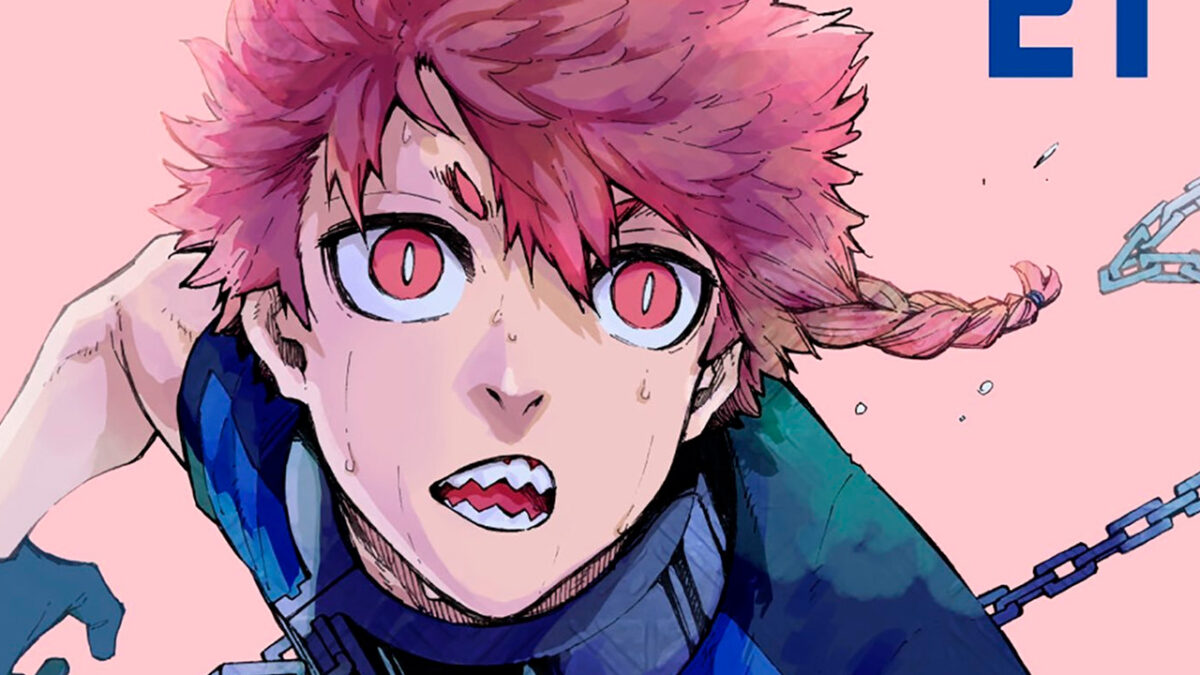
Within the debate, several alternative recommendations emerged that, according to users, better represent the essence of football as a sport. It was mentioned to Angel Voice like the real “national” football manga for some, Captain Tsubasa as the work of historical and indisputable national scope, and Fantasist as a title fondly remembered for iconic moments within its plot.
These mentions reflect a recurring tension within sports manga fandoms: the difference between works that prioritize entertainment and the charisma of characters, versus those that seek a more faithful approach to the sports discipline they represent.
Why is Blue Lock still so popular despite criticism?
Despite the debate, several comments recognized that, in commercial terms, Blue Lock He's just winning. Multiple users pointed out that sales speak for themselves, and that in shonen manga sales figures end up being the decisive factor, regardless of criticisms about realism or sporting depth.
It was also noted that the series has a particular appeal among international audiences, possibly driven more by the theme of football itself, especially in World Cup years, than by specific elements of the narrative. Some comments even noted that the work's current popularity is heavily concentrated among female and children's audiences, thanks in part to its line of high-end merchandise.
A debate that will probably be repeated in every World Cup
What is clear from this discussion is that, while Blue Lock continue to be the default visual reference for Japanese football in every major international tournament, the debate about whether it deserves that place, compared to series with greater history or sporting fidelity, will continue to resurface every four years, exactly as it happened this time.
Post a Comment