
The line between technological innovation and digital plagiarism has become thinner than ever. As the world watches in amazement at the capabilities of new video models. The entertainment industry has gone from shock to legal offensive. The epicenter of the conflict is Seedance 2.0, a AI of Chinese origin who has achieved something that few dared to try. This would be to imitate with almost perfect precision the aesthetics of the animation giants. But if you thought that Disney or the studios in Japan would sit idly by and watch their characters come to life in the hands of external algorithms, you were wrong. The war over intellectual property in the generative era has just begun.
Disney draws the line in the sand
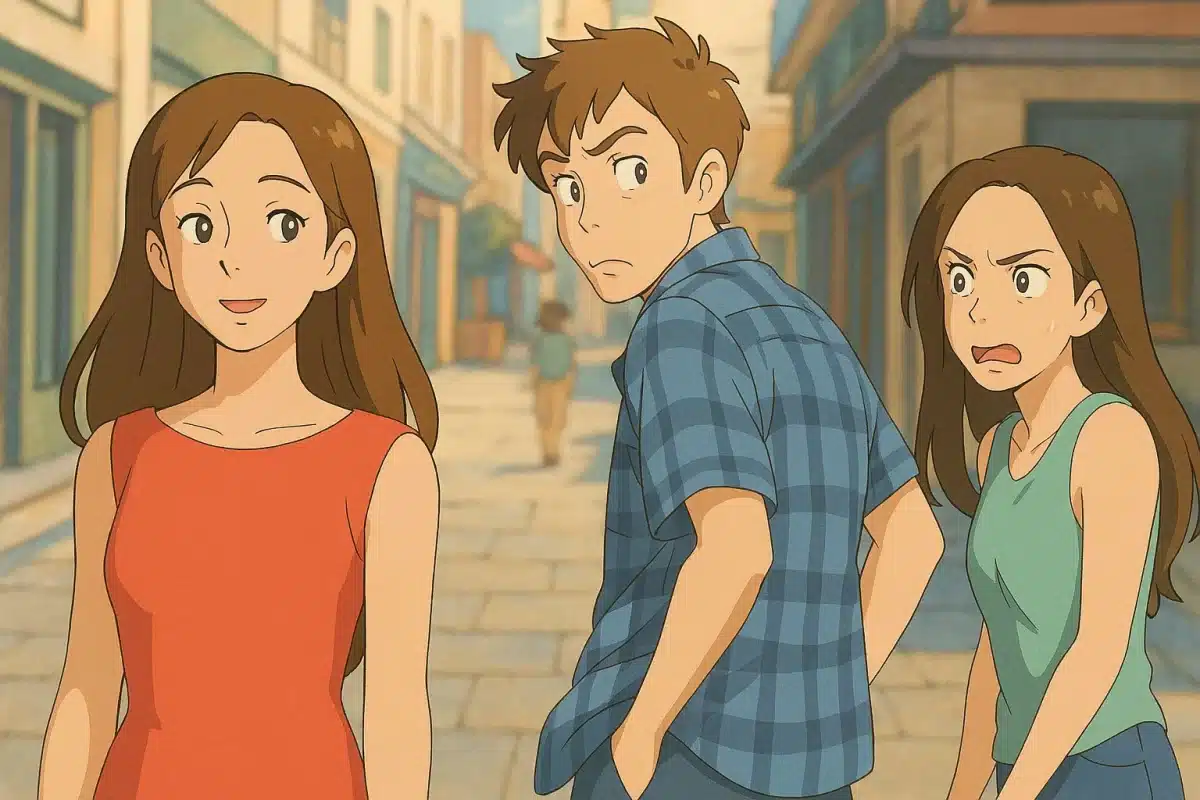
The authority in copyright protection has a historic name: Disney. The mouse company has wasted no time and has already issued a “cease and desist” letter to the Chinese company behind Seedance 2.0. The tool of AI is capable of generating videos that use copyrighted characters without any authorization.
Disney seeks to set a global precedent; No matter how “cutting edge” the technology is, using existing IP (intellectual property) assets is still a legal violation. This legal action puts under scrutiny all companies that develop generative video models without security filters for protected content.
The cry of the Japanese community

From the experience From creators and fans in Japan, concern has escalated to government spheres. Japanese netizens are not only alarmed, they are clamoring for their government to intervene.
«The concern is not only aesthetic, it is economic. If the AI can copy the style of a mangaka or an animation studio in seconds, the anime industry, a pillar of Japanese culture, is at an existential risk.
Citizens fear that, without clear legislation, the hard work of decades of manga and anime artists will be absorbed and replicated by models like Seedance 2.0. Draining revenue from original creators and saturating the market with “cloned” content.
What is Seedance 2.0 and why is it scary?
To understand the reliability of the industry's fear, we must analyze the technical power of this tool. Seedance 2.0 is billed as a “state-of-the-art” video model, meaning it is at the top of what current technology can offer. Unlike other tools AI that generate abstract images. Seedance 2.0 can create video sequences that mimic specific art styles with alarming fidelity.
It allows any user to create content that looks professional, blurring the line between fan-art and commercial product. If platforms are flooded with videos generated by AI that appear “official”, consumer confidence and the value of original licenses could plummet.
Innovation vs. Appropriation
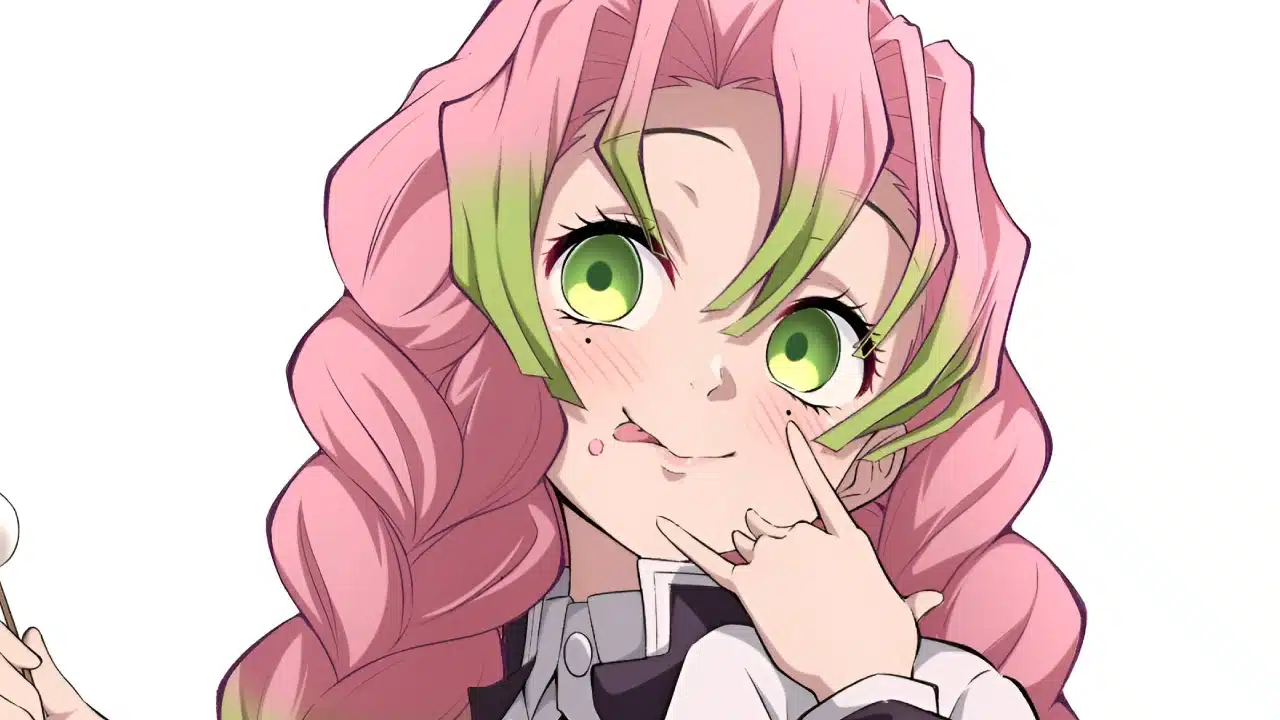
The AI Seedance 2.0 is an impressive technical achievement, but its release without copyright safeguards has made it public enemy number one of intellectual property.
This is the “Napster moment” for animation. Disney is doing what it does best (defending its territory), but the real battle will be fought in Japan. Anime depends on its unique visual style; if one AI can replicate the lines of a famous artist, the essence of art as a profession is in danger. This is not about banning the technology, but rather forcing these models to be trained with ethical data and respect the rights of those who created those worlds first. The AI It should be a tool for the artist, not its unauthorized replacement.
Do you think governments should ban the training of AI with protected works, or is it impossible to stop the advancement of technology once the code is on the network? We want to read your opinion in the comments!
Post a Comment