
In episode 10 of the third season of One Punch Man Studio JC Staff decided to censor the behavior of Zombieman. The studio replaced its signature cigarette with a lollipop. This creative decision generated a mostly negative reaction among anime fans. Many consider that the change is forced and alters the essence of the character.
Zombieman He is defined by cynicism and a carefree toughness that is reflected in his attitude and gestures. Replacing the cigarette with a lollipop to meet stricter standards is not just an aesthetic change. It is a decision that dilutes your identity. In this analysis we explain why this detail It became a symbol of poorly applied censorship. We also show how these types of adjustments erode the One Punch Man adaptation's credibility with its audience.
When censorship breaks the character
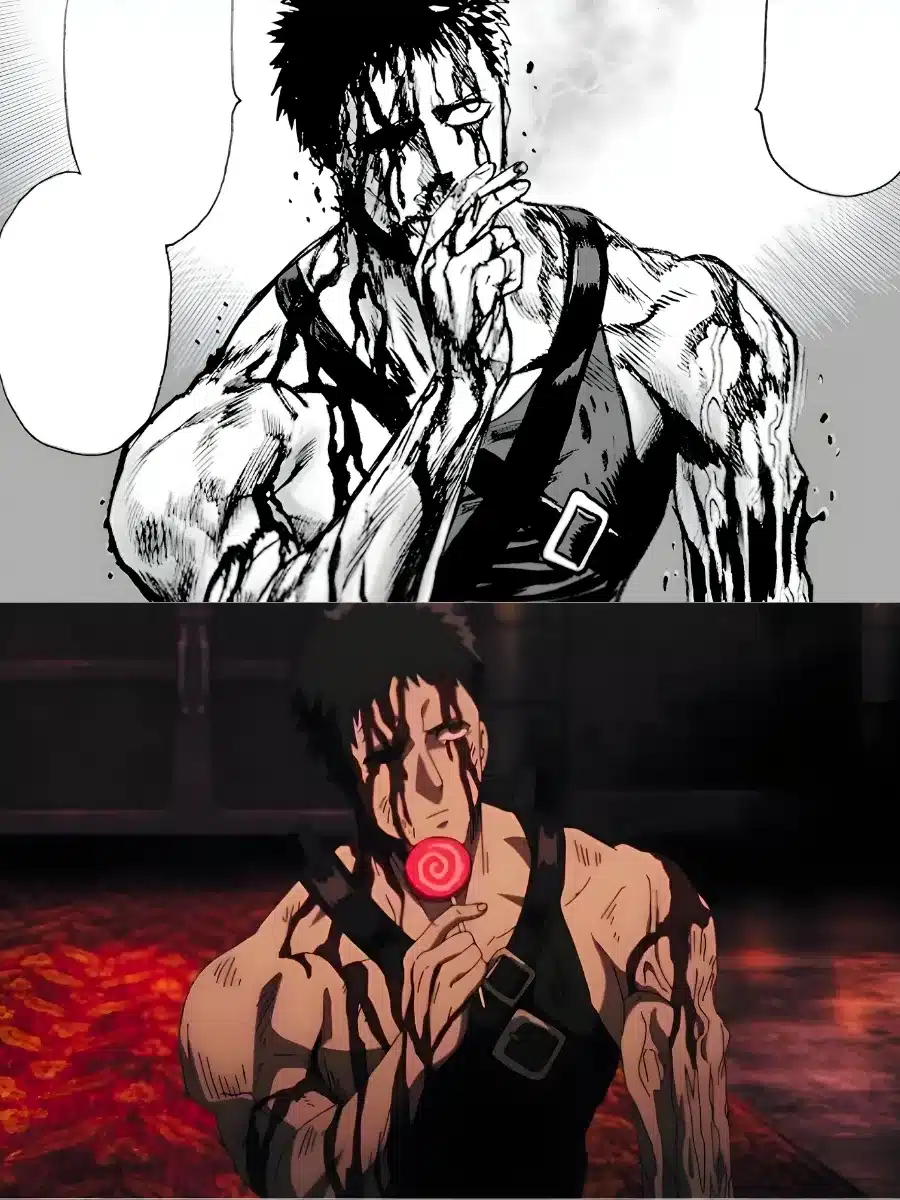
The cigarette functions as a key character trait of Zombieman, a gesture that communicates cynicism, weariness and a constant relationship with violence and death. By replacing it with a paddle, JC Staff immediately alters the psychological reading of the character, moving him from a dark and sarcastic figure to a unnecessarily infantilized image. The fandom of One Punch Man Expect a representation consistent with the maturity and satire of manga, where these details are not decorative, but part of the narrative language. The censorship fails because it does not recognize that the discomfort of the original gesture is precisely what reinforces the adult tone of the work.
In adaptations designed for global audiences, softening elements such as tobacco is common practice. However, when the solution is clumsy or cartoonish, The effect is counterproductive. More than protecting the public, these types of decisions generate rejection and call into question the sensitivity of the studio to preserve the identity and tone of the series.
Censorship as a clash with the tone of the work
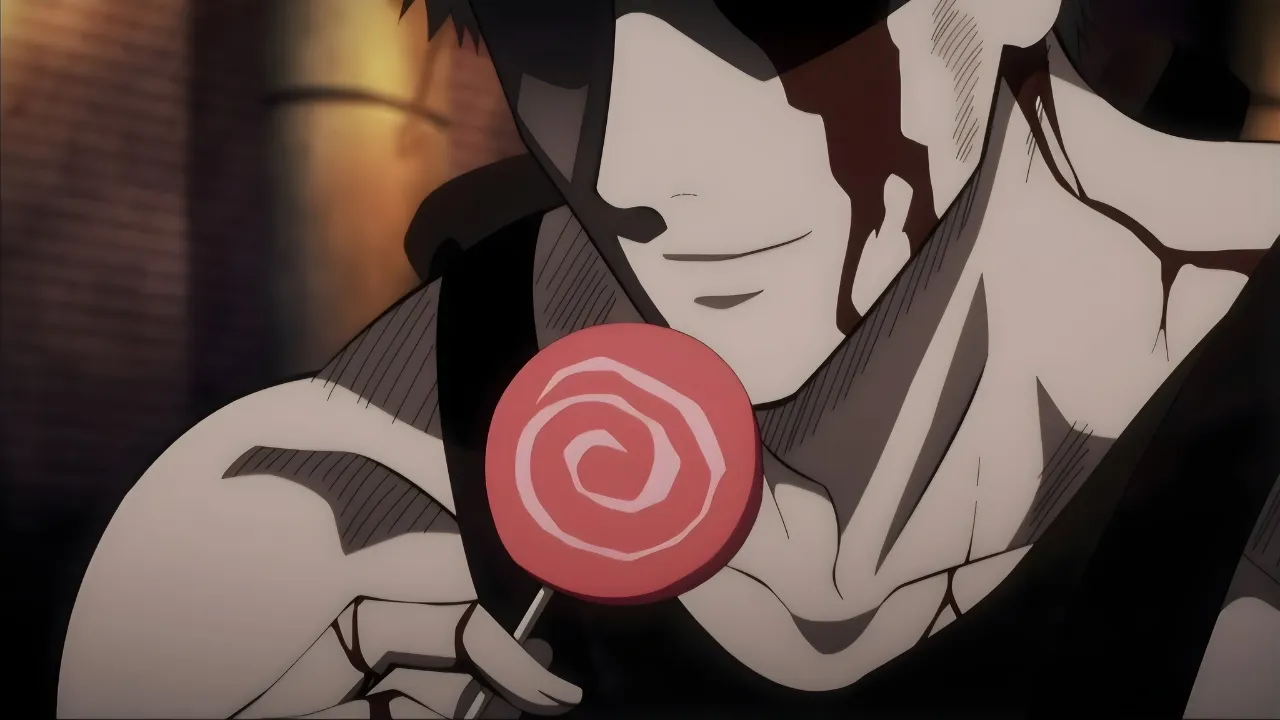
The universe of One Punch Man It is characterized by mocking the conventions of the genre, combining explicit violence and humor. In this context, the censorship of cigarettes Zombieman It is perceived as a step back and a forced attempt to soften material that is, by nature, already adult. For a fandom accustomed to brutal combat, concern for a cigarette is disproportionate and It breaks the internal coherence of the world that the series has built.
This case joins other recent examples in the industry where poorly executed censorship causes immediate rejection. When a studio prioritizes external regulations over the tone and intent of the source material, the public reaction is usually the same: a staunch defense of the cultural and narrative fidelity that gave identity to the work from the beginning.
The Verdict
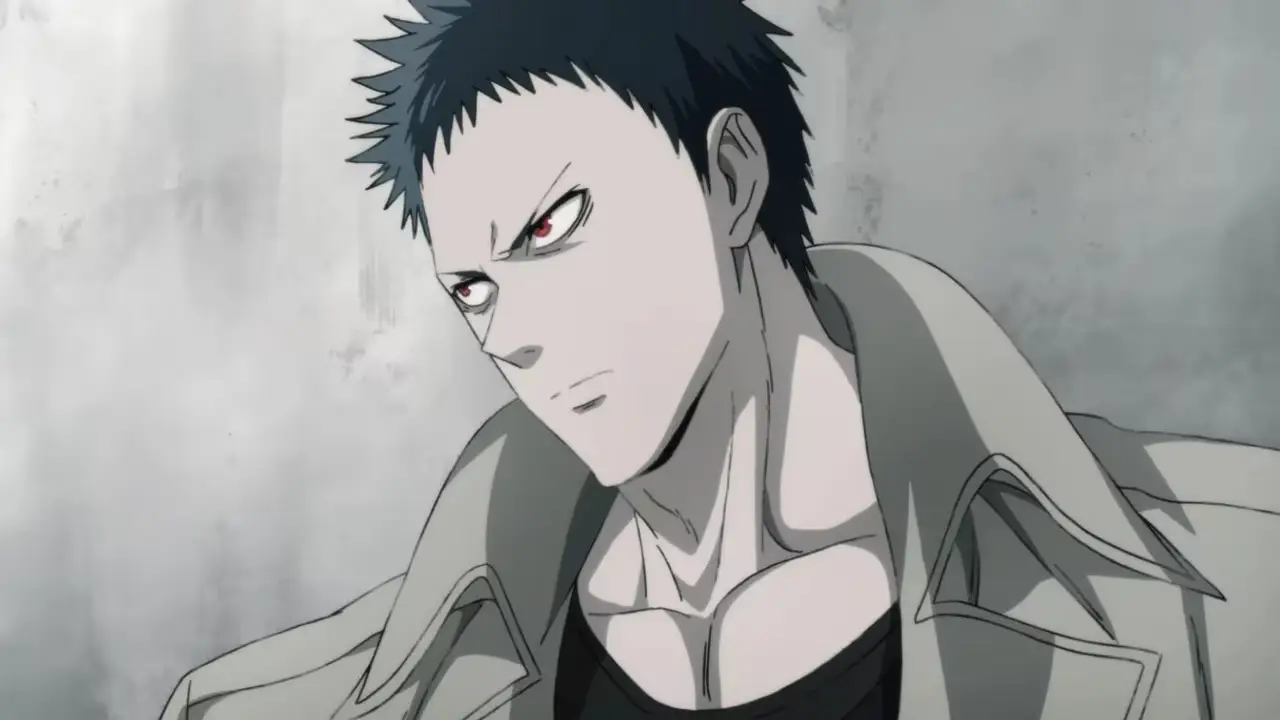
JC Staff's decision to replace Zombieman's cigarette with a lollipop represents a serious characterization error. The choice reveals a superficial understanding of the character's psychology. Furthermore, it dilutes the cynicism and crudeness that define it within the One Punch Man universe. This is not a simple visual adjustment. Censorship alters the narrative tone and shows a disconnection with the essence of the original work. This has caused a clear break between the adaptation and the expectations of the fandom.
We maintain that censorship in anime should be subtle and intelligent. Turning a noir antihero into a candy-eater isn't subtle; is an unintentional joke that has betrayed the spirit of One Punch Man.
Do you think the pressure for global streaming standards is so high that anime studios are forced to make censorship decisions that go against the essence of their characters? Leave us your opinion in the comments.
Post a Comment