
He Ministry of Economy, Trade and Industry (METI). He has presented an ambitious strategy so that industries of Japan of anime, manga, video games, cinema and music conquer global markets. At the recent Seminar on Entertainment Industrial Policy, the government set the goal of achieving the ¥20 billion in exports by 2033. While promising to ensure that creators maintain their artistic freedom. This double bet, in global expansion and creative autonomy, seeks to respond to the successful model of South Korea and regain ground in global cultural diplomacy.
The pillars of Japan's new content policy

The available information indicates that METI held a seminar on industrial policy for entertainment and creativity in Japan. in which they settled five key principles to guide support for the home content industry. Among these principles are:
- Large-scale, long-term strategic support.
- International promotion of Japanese content.
- Do not interfere with the content of creative works.
- Direct and transparent support for creators.
- Prioritize those willing to take creative risks.
Principle number 3 has generated particular attention. The government of Japan ensures that its support will not imply censorship or editorial impositions on anime, sleeve either video games. Additionally, the plan includes a review of funds and subsidies for expensive content, with the aim of significantly increasing the support limit for productions exceeding ¥300 million.
Reality and challenges of implementation
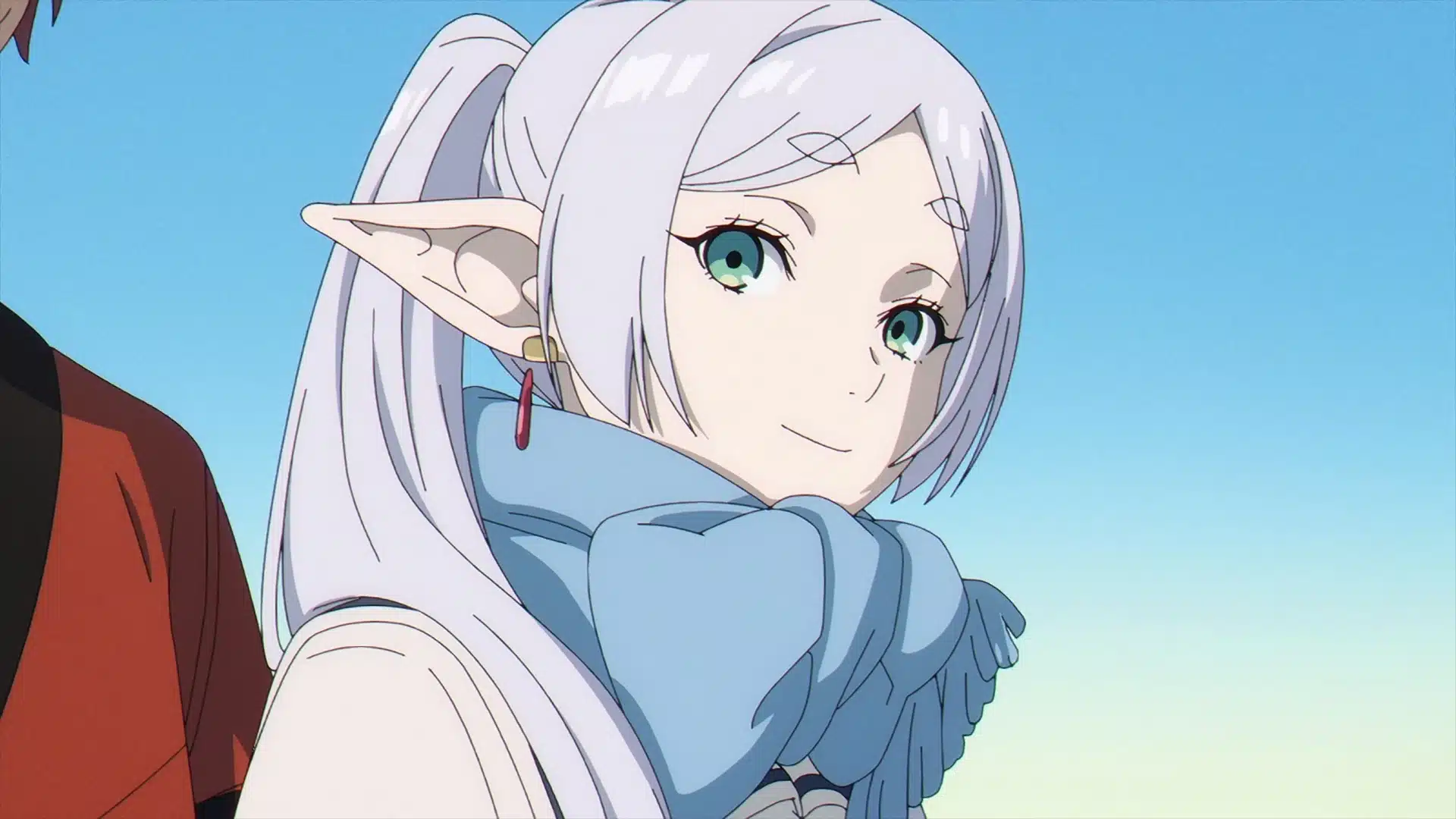
Although the policy of Japan is officially launched, there are still questions about its real scope. The goal of ¥20 billion in exports comes from recent cultural strategy documents. Furthermore, the government has pointed out the need to “strengthen the work environment of creators” and improve the productivity of the sector in the face of international competition, indicating that creative autonomy is not guaranteed only by the formulation of principles.
For example, the official document of the METI highlights that, despite the previous measures, it was not possible to satisfactorily increase tangible/intangible assets or salaries in the sector. This suggests that execution and oversight will be critical for the promise of “hands-off” to become verifiable practice.
The Double Bet on Economy and Freedom

The METI strategy is a ambitious statement of intent that recognizes the economic and diplomatic power of its creative industries. By setting a goal of ¥20 trillion in exports by 2033, Japan is committing to long-term expansion. However, the plan's success will depend on a delicate balance: whether large-scale strategic support is truly kept separate from artistic freedom promised to the creators.
This plan is necessary and comes at a critical time. The insistence on the principle of “not to interfere with the content of creative works” is the key to reliability and the strength of anime and manga. If the government can increase funding (by revising the ¥300 million limit) and improve working conditions without imposing censorship, it has a real chance to surpass the South Korean model and ensure global cultural hegemony. Execution, not formulation, will be the real challenge.
Considering METI's promise not to intervene in creative freedom, do you think the huge financial backing will inevitably lead to commercial or subtle pressures on Japanese creators' content? We want to read your opinion!
Post a Comment