
Why the 'Fog of War' saves the canon
Confirmation that the second season of the Amazon Prime Video series will take us back to New Vegas It unleashed a mix of excitement and panic among the community. The big concern was evident: by establishing a canonical story on television, would it invalidate the decisions we made more than a decade ago in that fallout? Fortunately, showrunners Graham Wagner and Geneva Robertson-Dworet have taken a smarter, more respectful route.
Instead of arbitrarily choosing whether the NCR, Caesar's Legion, or Mr. House won, the creators have decided to implement what they call a “Fog of War” approach. The news is not just that they will avoid a direct answer, but the philosophy behind it. In a post-apocalyptic world where information travels by word of mouth and history fragments, it is impossible to have a single version of the truth about fallout. This decision transforms a narrative limitation into a tool that enriches the lore.
The 'Fog of War' strategy in Fallout
This narrative tactic is not a simple resource to avoid continuity problems. It is a faithful interpretation of how history works in this universe of fallout. The “Fog of War” implies that past events are confusing, with conflicting accounts and skewed versions depending on who you ask in the Wasteland. By not explicitly showing which faction won the Battle of Hoover Dam, the series allows all possibilities to coexist in a nebula of rumors.
For a franchise like falloutwhere misinformation and propaganda are recurring themes, this fits perfectly. It allows us to see the consequences of war without the series having to dictate an “absolute truth” that contradicts what we experience in our own games. It's a fancy way of saying that history is written by the survivors, and in the Wasteland, survivors rarely agree.
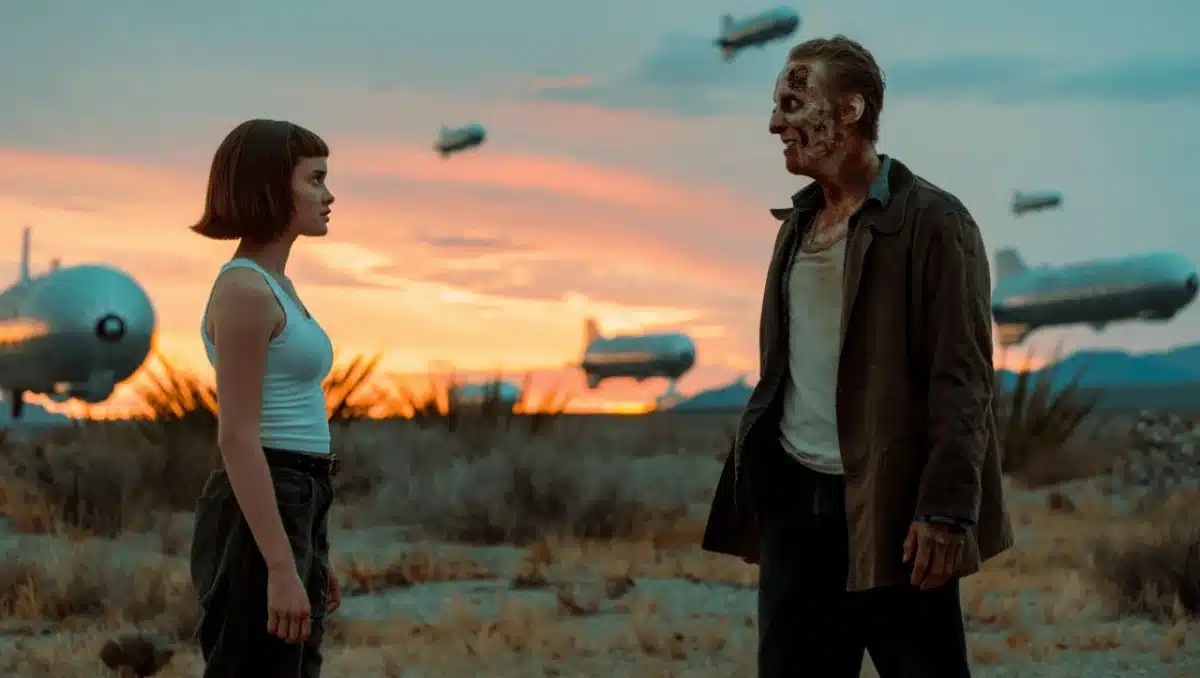
Why canonizing an ending would destroy the magic
Therefore, for those of us who invest hundreds of hours shaping the destiny of the Mojave in falloutcanonizing a specific ending would have been a fatal mistake. The essence of Obsidian and Bethesda's RPGs lies in player agency. If the series had declared, for example, that the Legion ending is the only “real” one, it would have automatically turned the experience and effort of millions of players into an alternate fantasy with no narrative weight.
By using this resource, the production of fallout validate that something happened, but recognizes that the chaos of the Waste makes it impossible to discern the exact details. This protects the player's emotional investment. They don't tell us “you were wrong.” On the contrary, They invite us into a world where our version of events is as plausible as any other.keeping intact the sanctity of the role we played years ago.
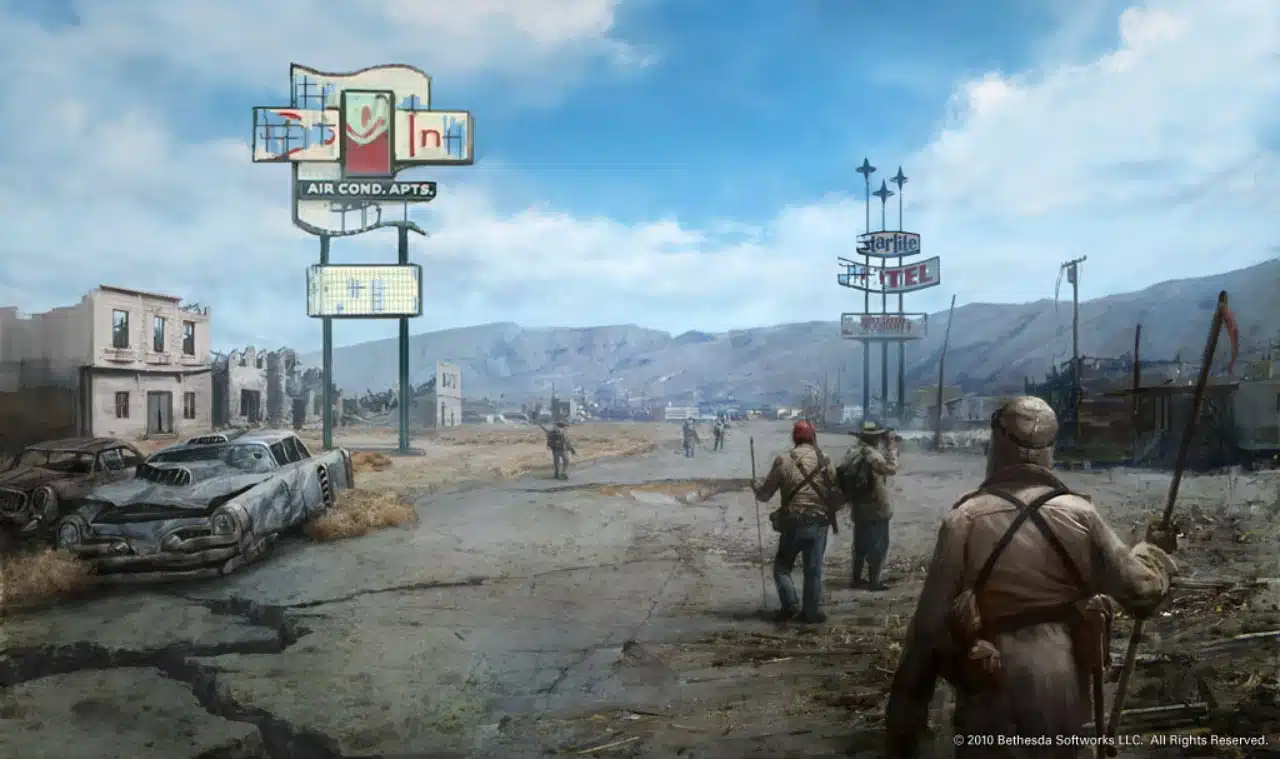
A narrative realism necessary for the franchise
Beyond respect for the fan of falloutthis decision provides a layer of dirty realism that the series needs. In a world without the Internet and without intact central archives, history becomes myth very quickly. That the characters in the second season have confusing or contradictory ideas about who controls New Vegas reflects the reality of a disconnected world.
Furthermore, this decision shows that the creators understand something fundamental: In this universe, truth is as rare as purified water. The second season promises to expand the world without destroying the foundation that fans built. It is a difficult balance, but necessary for the series to live in harmony with video games and remain relevant.
What do you think of this creative decision in fallout? Would you have preferred them to take the risk of canonizing an ending or do you think maintaining ambiguity is best for the franchise? We read you in the comments.
Post a Comment