
A recent report from Teikoku Data Bank reveals that 2025 will be the third consecutive year with a notable increase in bankruptcies and studio closures anime in Japan. In just the first nine months of the year, the industry hit a record eight bankruptcies or suspensions of operations.
The paradox is clear. Although global demand for anime has never been higher, the industry faces serious challenges. These are due to labor shortages and talent depletion. How is this tension between growth and internal difficulties explained? We analyze it.
Purge in the industry: The concentration of talent as a possible path to stability
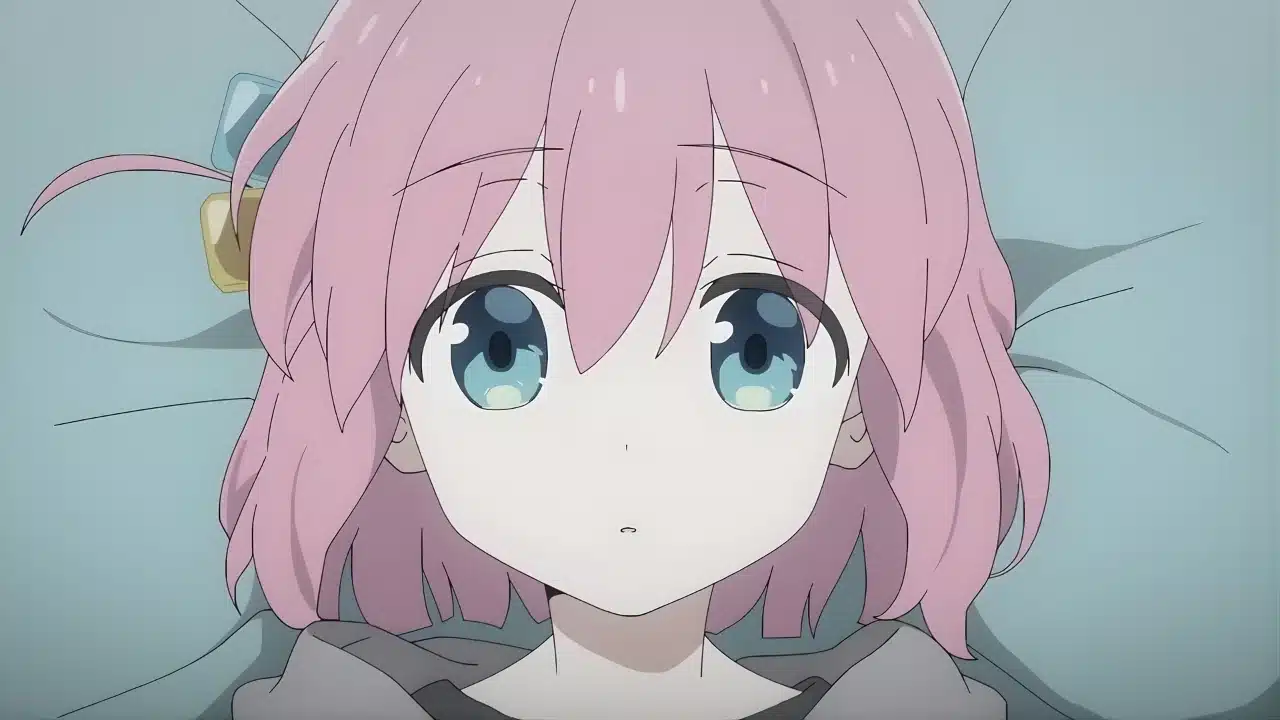
The alarming number of eight closures in just nine months It actually reflects a self-defense mechanism of the market. Experts describe this phenomenon as a process where the lack of qualified talent and increasing costs put pressure on less efficient studios, forcing them to disappear. Although this situation is painful for the community, it also concentrates talent in production companies with greater financial backing, such as Ekachi Epilka or Cloud Hearts. These companies, despite their capacity to handle large productions, face difficulties in sustaining the current model. After observing the inconsistent quality in several recent series, it is possible to predict that this selection process will contribute, in the long term, to a stabilization in the quality of production.
Technology and talent: The double challenge for anime survival

The report sends a strong warning. Without real investment in better working conditions and in the training of new talents, anime production will face serious difficulties. But the crucial change not only depends on training, it also depends on technology. Currently, the industry remains tied to a labor-intensive model. Lack of staff and project overload They will make the automation of repetitive tasks, such as collating or coloring using artificial intelligence, cease to be an option and become an essential necessity for the survival of the sector.
The human wear and tear that threatens the essence of Japanese anime
The core of the crisis is clearly human. The report notes that animators and directors are facing extreme burnout and are leaving the industry. This problem goes beyond the budget issue; reflects a increasing dehumanization in the creative process. The pressure to meet tight timelines and limited resources forces artists to sacrifice detail and careful craftsmanship in favor of speed. So, the anime is transformed into an industrialized product, losing the essence that gives life and soul to each painting. This absence of the human touch is the real threat to the identity of Japanese animation.

In short, the crisis facing the anime industry in 2025 does not signal a collapse, but rather a difficult stage of change. The high demand and current problems show that the traditional production model is no longer sustainable. Bankruptcies drive a market cleanup and push studios toward automation to survive. However, the most worrying thing is the loss of the human factor, which causes the wear and tear of the creators.
If a balance is not achieved between technology and respect for the working conditions of artists, anime runs the risk of becoming an abundant product but lacking the essence and artisanal care that made it a world reference. It is essential that production committees recognize that Improving working conditions is as important as closing new distribution contracts.
Do you think automation and technology will be able to improve the anime industry without sacrificing artistic quality and the well-being of creators, or do you think this balance is almost impossible to achieve? What changes do you consider urgent to preserve the soul of anime as it faces these challenges? Leave us your opinion in the comments.
Post a Comment