
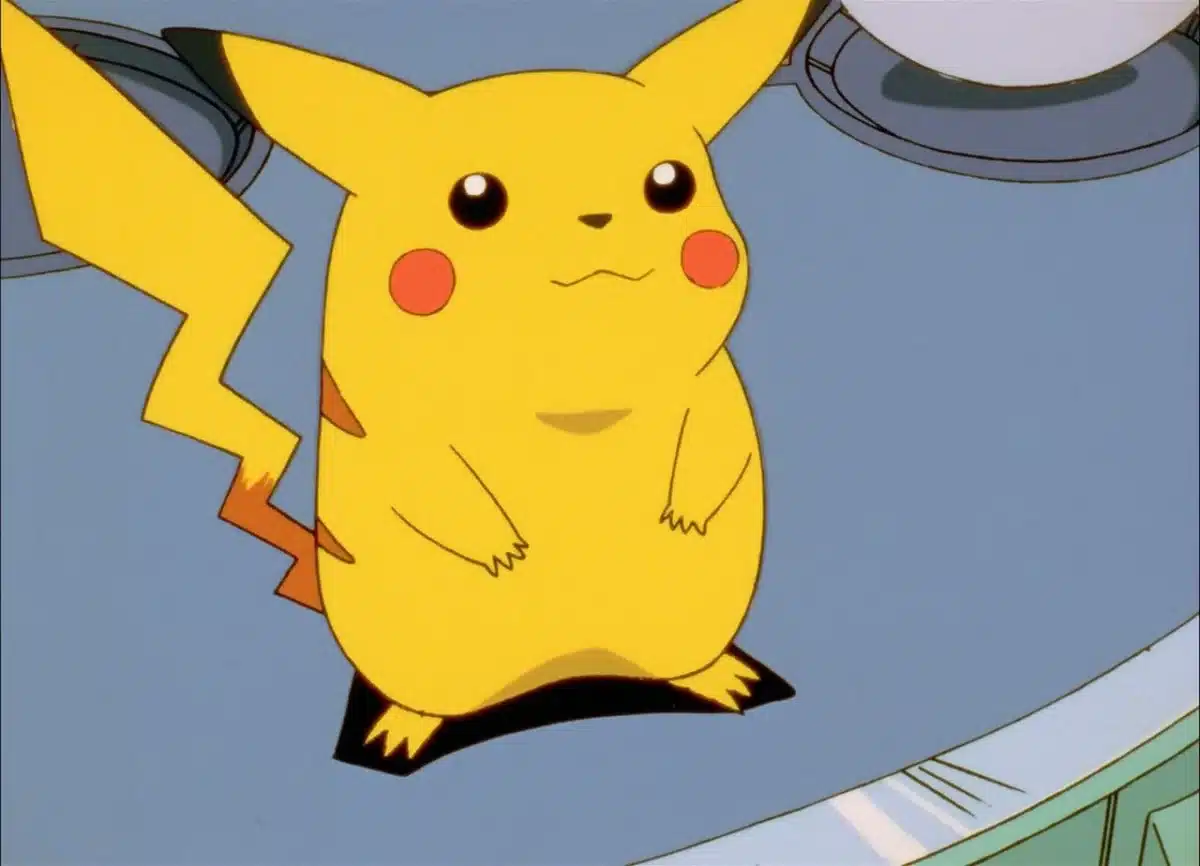
Why the return of “Fat Pikachu” is the key
The pocket monster ecosystem is at a media boiling point following recent leaks and official announcements regarding the thirtieth anniversary celebrations. The appearance of the original Pikachu design, affectionately known by the community as “Fat Pikachu”, in promotional materials is neither an isolated event nor a simple random aesthetic choice. As fans eagerly await the reveal of the 10th generation of Pokémon next month, this strategic move forces us to ask ourselves. Why is this specific design the bridge to the future? We analyze it in depth.
The rebirth of an emotional icon
The decision to recover the robust and circular aesthetics of 1996 responds to a need for reconnect with the primary identity of the brand. Having analyzed the evolution of designs over the last three decades, it is evident that the Pikachu figure has been stylized to adapt to modern animation and the merchandising market. However, the return to the original forms acts as a emotional anchor for long-time fans. It thus establishes a standard of “source quality” at a time when the franchise faces criticism for its technical performance in recent installments.
This expert analysis of Pokémon suggests that we are not facing a simple nostalgic wink. But before a validation of historical legacy facing the uncertainty of new technology. By observing how the community has reacted to this great little detail, it is clear that the feeling of belonging to the foundations of the saga is stronger than ever. The brand is using its past to guarantee consumer trust before making the leap to the tenth generation.
Pokémon and the challenge of the tenth generation: The weight of legacy
The expectation for next month's announcement is no less. Since it represents an unprecedented numerical and cultural milestone for the industry. I've looked closely at how the use of classic Pikachu in the anniversary logo works as a silent commitment to the essence of adventuresomething many users felt was lost in the transition to more ambitious open worlds. The integration of this design suggests that the next stage of Pokémon could try to balance cutting-edge innovation with the minimalist charm that defined the series in its beginnings.
From a technical perspective, brand image management on this anniversary seeks to mitigate fandom concerns about content saturation. By focusing attention on such an iconic and beloved figure, the company achieves shift the focus from the “what” (the product) to the “why” (the emotional experience). It's a positioning tactic that reinforces the franchise's authority in the collectibles and RPG genre. Reminding us that, despite the changes, the core remains intact within the universe of Pokémon.
Verdict: A necessary identity strategy
In conclusion, the return of “Fat Pikachu” is a statement of intent on the creative health of the brand. It represents a perfect balance between nostalgic gratification and preparing the ground for necessary evolution. My verdict is that this movement is the prelude to a tenth generation that will seek reconcile the different generational layers of players. Thus returning to the franchise that feeling of solidity that characterized it thirty years ago.
The road to the anniversary promises to be one of the most significant stages for any fan of Pokémon. Understanding these visual subtexts is vital to understanding where the future of entertainment is headed.

Do you think that this return to the visual roots is enough to ensure the success of the tenth installment of Pokémonor do you think the franchise needs deeper structural changes? Leave us your opinion in the comments and let's debate the future of the saga.
©2026 Pokémon. ©1995 – 2026 Nintendo/Creatures Inc./GAME FREAK inc. TM, ®Nintendo.
Post a Comment