
The Steam phenomenon that divides the community between hype and disappointment
The recent launch of Highguard has shaken up Steam's metrics, achieving concurrent player numbers that many triple A's would envy. However, behind these impressive numbers lies a much more bitter reality. The community is trashing the game in their reviews. But why is this different from other crash launches? We analyze it in depth to understand if we are facing a technical problem or a crisis of expectations unsalvageable
Highguard: The mirage of concurrent numbers
It is undeniable that Highguard captured the public's attention immediately. The previous marketing campaign managed to position the title as the next great revolution in the genre. Neverthelessonce the servers opened, the actual experience collided head-on with the commercial promise. After having tested the title During its first hours, it is clear that the initial interest was not a product of quality, but of a curiosity fueled by promises that the software could not sustain..
The presence of Highguard at the top of the most played is a reminder that marketing still has massive weight. On the contrary, negative reviews show that the modern player is no longer forgiving of a lack of polish. Optimization problems and connection errors have been the main triggers for this rejection. Consequently, initial commercial success feels hollow when the user base feels betrayed by a product that appears to be in a beta phase.
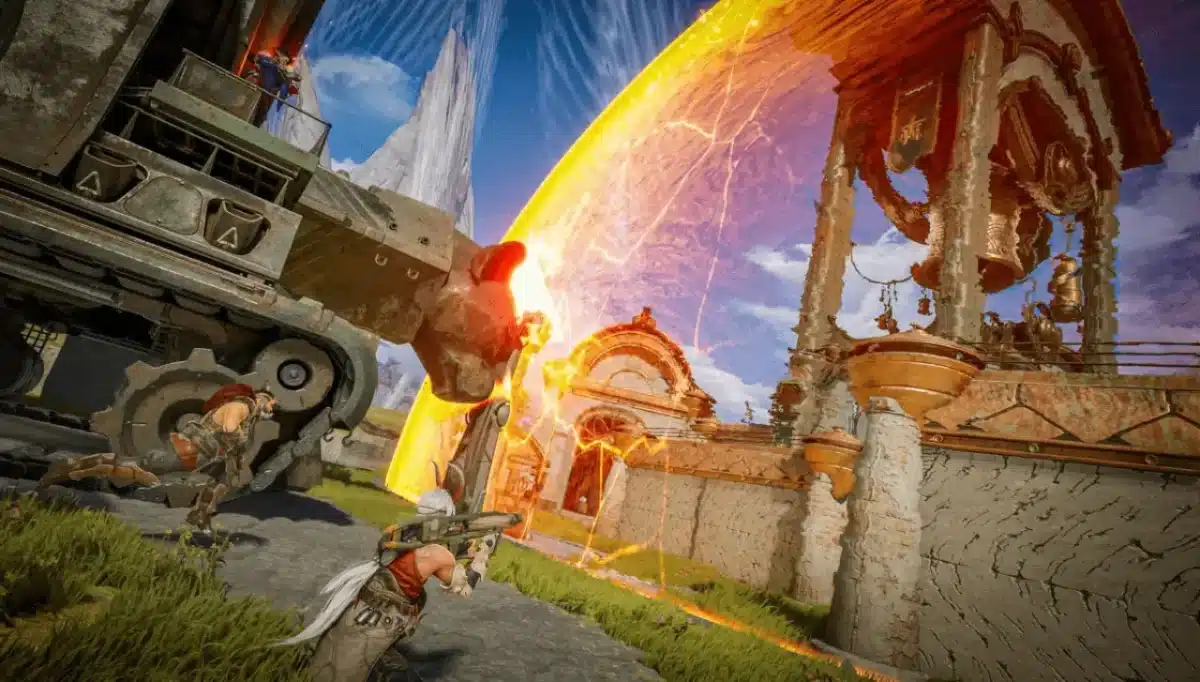
The disconnect between design and execution
By delving into the mechanics of Highguardwe notice an ambition that exceeds the studio's current technical capabilities. On the one hand, the level design seeks to offer unprecedented freedom. On the other hand, the technical execution weighs down the player's every step with unjustifiable frame drops. When we play this titleit is impossible not to feel constant frustration when seeing how good ideas die because of a poorly optimized graphics engine.
The industry positioned Highguard as the banner of this new generation prematurely. Besidesthe community has pointed out that many of the features promised in the development diaries are absent or simplified. The community forces us to question whether the studio should have delayed the release of Highguard for a few months. At least then they would have had time to polish the development.
Highguard and the emotional impact on the anime and gaming community
The feeling of the fans is not one of simple annoyance, but of deep emotional disappointment. Highguard It is not just a software. For many, it represented the hope of a new virtual world in which to get lost. Because of this, finding a broken product generates a visceral reaction that translates into thousands of negative votes in a matter of minutes. That is, the player is punishing the lack of respect for his time and financial investment.

Without a doubt, the industry must take note of what happened with Highguard. The trend of “launch now and fix later” is reaching its tolerance limit. Likewise, transparency during the development process becomes more critical than ever. If the team had been honest about the state of the game, possibly the reception would not have been so devastating, despite the technical glitches.
Verdict: Is there hope for the future?
The title has a solid core that could shine if urgent structural changes are made. Highguard It has an enviable artistic direction, but aesthetic beauty cannot compensate for a game system that constantly breaks. In conclusion, we are looking at a diamond in the rough that has been launched before being even cut. If developers act quickly with meaningful patches, they could regain some of the lost trust. Otherwise, the industry will remember this initial success of Highguard as one of the most notorious failures of the year
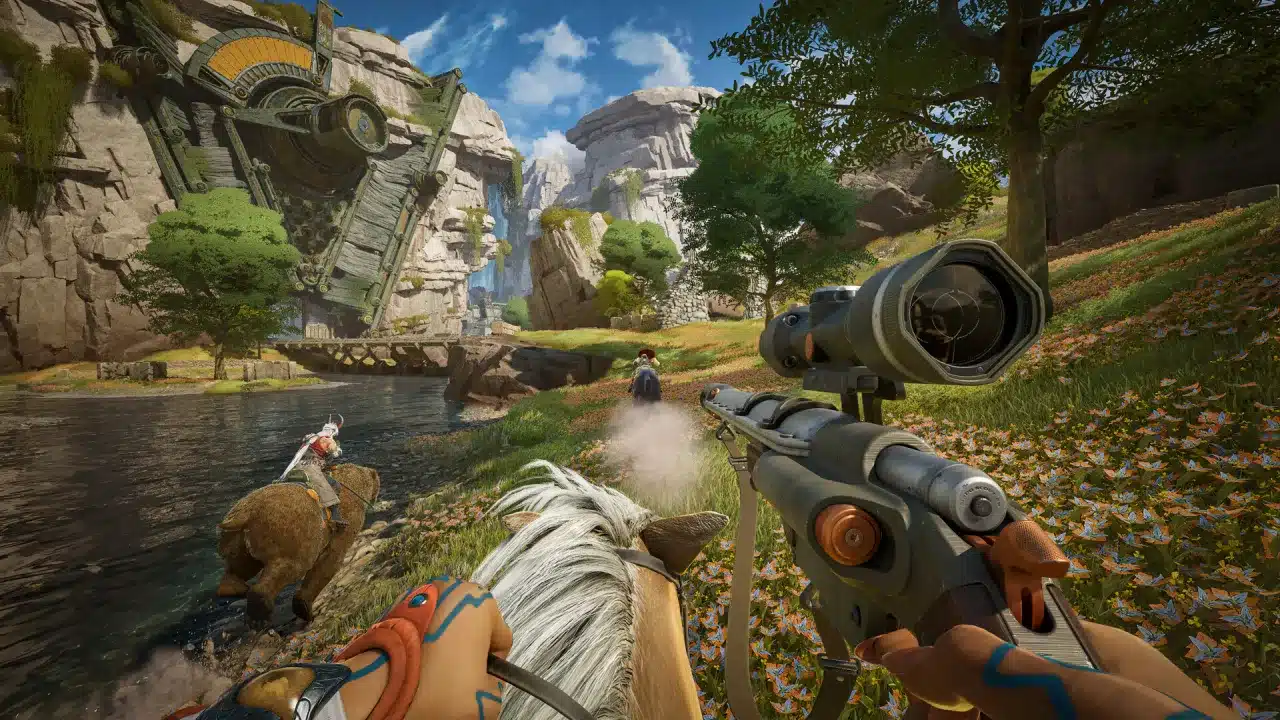
What do you think about this release? Do you think the negative reviews are exaggerated or a fair response to the state of the game? Leave us your opinion in the comments.
Post a Comment