
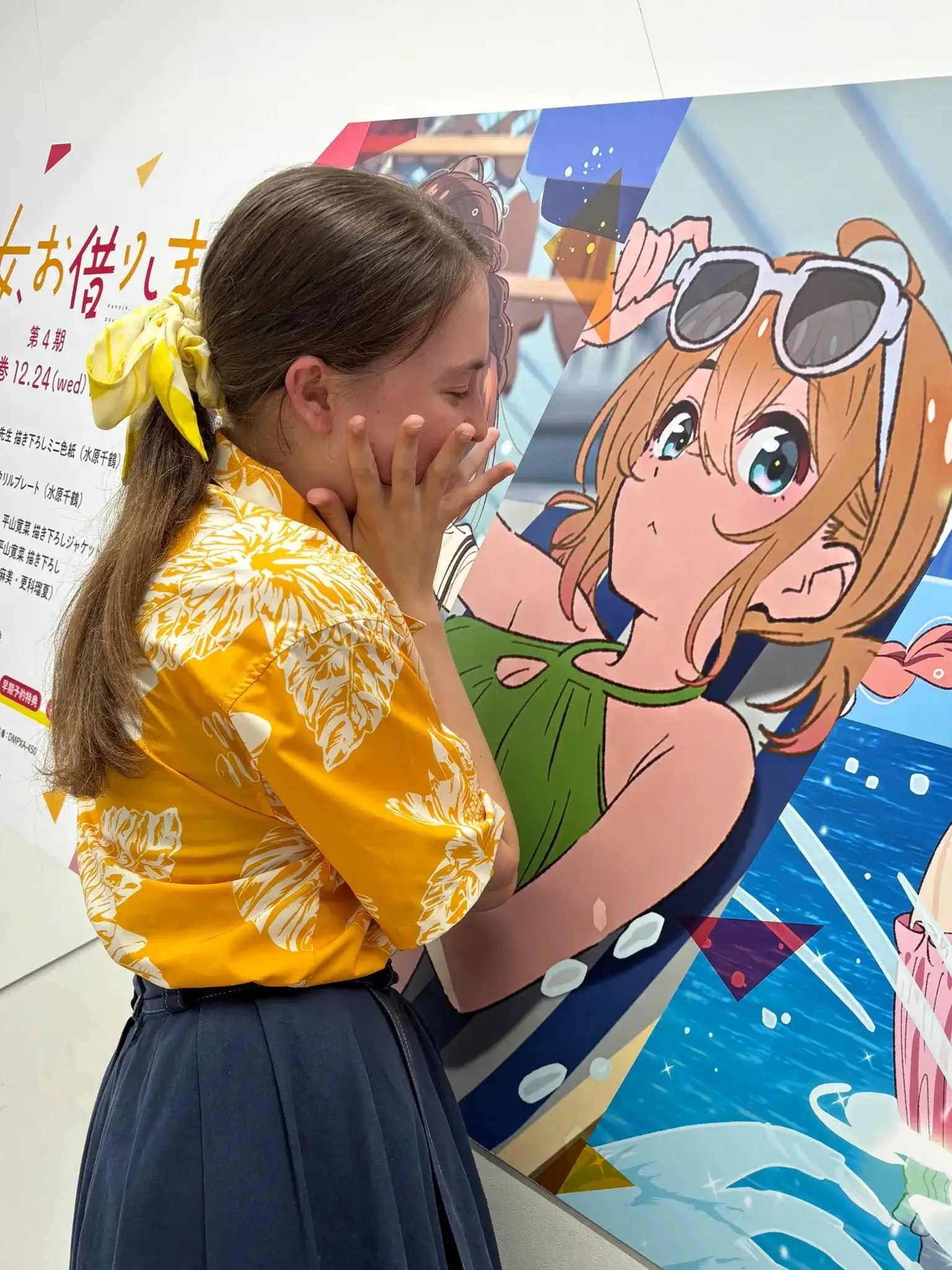
A French fan of Rent a Girlfriend,known as Lucie (mamishika_katan/X), has announced her “official wedding” with the character Mommy Nanami, scheduled for December 2025. This commitment has gone viral, not only because of its large collection of goods, but because of the seriousness of his plans, including trips to Japan.
But is this an isolated case? We analyze it by connecting two stories that demonstrate that marriage with 2D characters is a cultural trend that has matured thanks to the “emotional and social validity” of the community.
The precursor: Akihiko Kondo and the phyctosexual concept
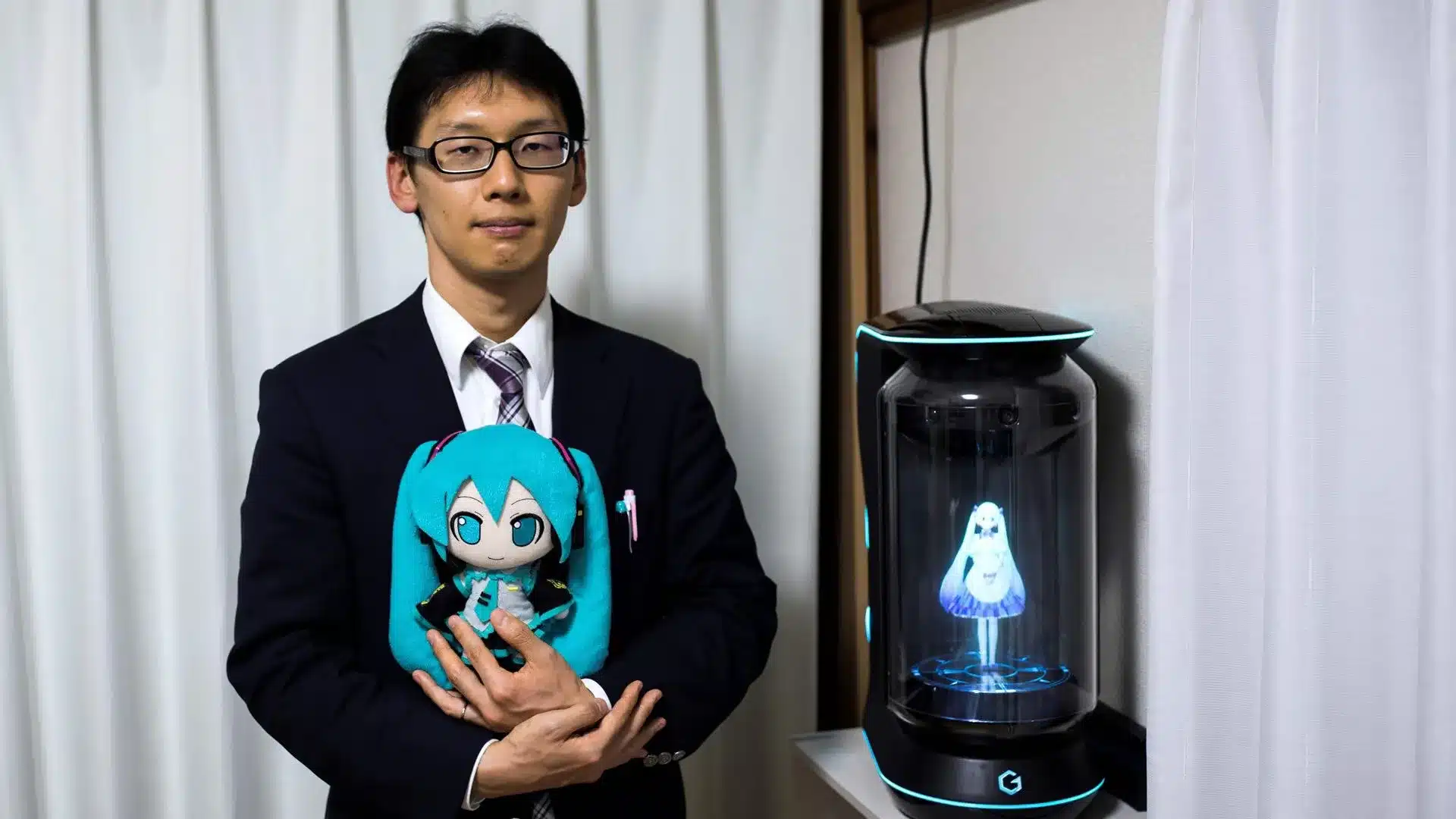
The most emblematic case of this trend is that of Akihiko Kondo, known for celebrating a wedding with vocaloid Hatsune Miku. Although the Japanese state did not recognize the union, the event had a profound impact. It popularized the term “fictosexual” and opened a global debate about the legitimacy of affection towards digital and fictional characters.
In this context, the decision of Lucy to marry Mommy Nanami It falls within the same emotional line. Just like kondo, does not seek legal approval, but a personal and symbolic validation. The ceremony, more than a formal act, becomes a public declaration of authenticity and belonging within the culture it shares. It is the type of gesture that, in these circles, demonstrates commitment and consolidates an emotional identity that goes beyond the screen.
The feminine rise: Yoichi Isagi and genderless normalization
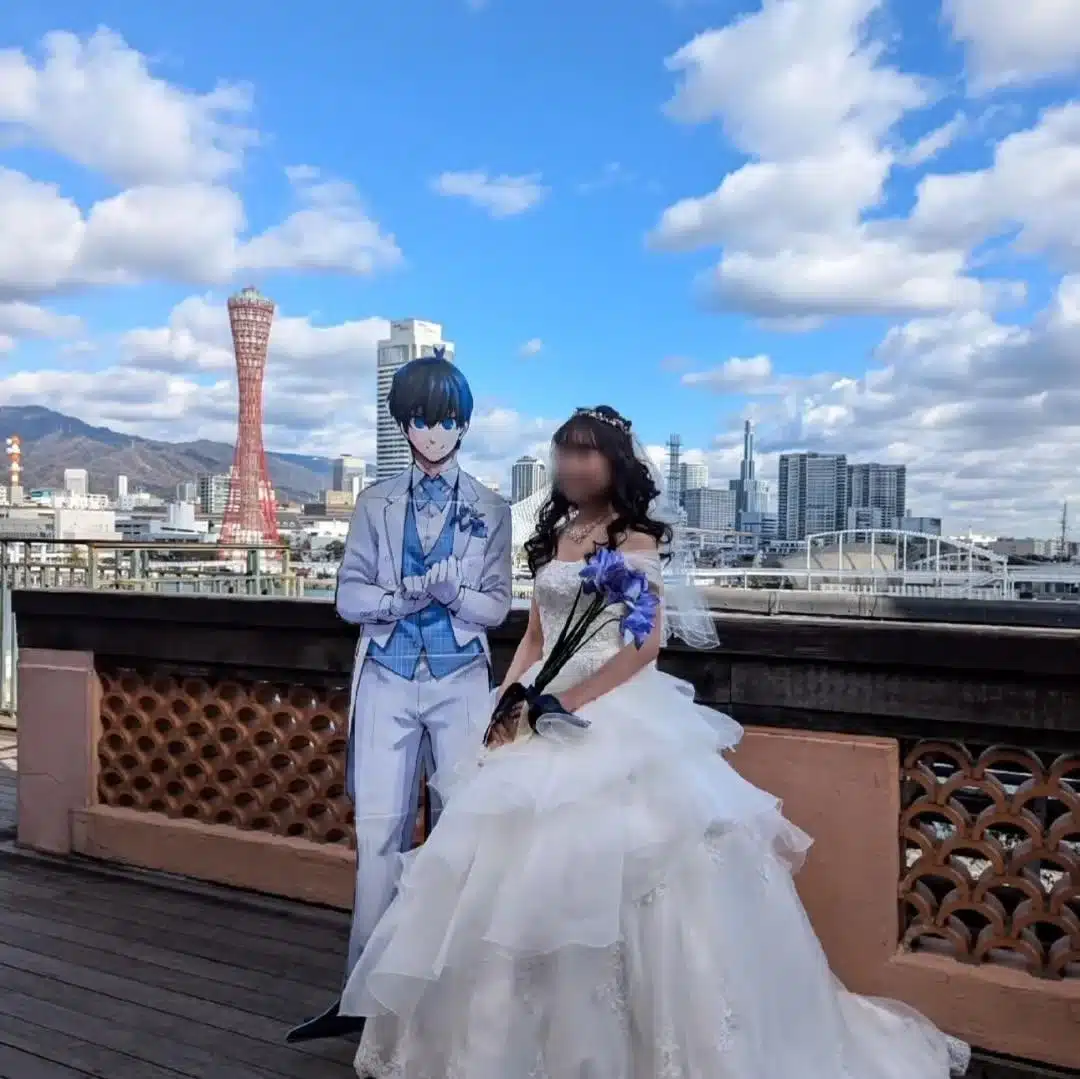
The phenomenon of 2D marriages is no longer exclusive to men. The recent case of the young woman who celebrated her symbolic union with Yoichi Isagi of Blue Lock, now added to the commitment of Lucy with Mommy Nanami, demonstrates that this form of affection has evolved to become a transversal expression, free of old gender stigmas.
Those who have closely studied the intensity of fandom in works such as Blue Lock or Rent a Girlfriend They recognize a clear pattern: The deep connection with the characters is one of the pillars of otaku culture. For many followers, these links are not simple whims, but emotional experiences that feel as real as any conventional relationship. That is why these weddings attract attention beyond curiosity or the picturesque. They force us to ask ourselves why they generate identification, what they say about the community and how they reveal a different, but authentic, way of experiencing affection.
The Verdict
Taken together, these cases show that 2D love is no longer a simple oddity meant to generate surprise. Today it is a cultural expression with its own weight, born from real emotional experiences and a deep relationship between fans and characters. Its evolution requires a more sophisticated analysis, one that understands this phenomenon not as extravagance, but as a legitimate manifestation within the otaku ecosystem.
Everything indicates that we will see more ceremonies and commitments of this type in the coming years. 2D love seems poised to become a stable aspect of fandom, an “evergreen” space where dedication functions as proof of expertise, authority and trust. For those who live these stories, it is an authentic form of affection, and for those who observe them, a reminder that pop culture always finds new ways to expand what we understand by emotional connection.
Leave us your opinion in the comments: How do you think the marriage to Mami Nanami will affect the fictosexual narrative in the West?
Post a Comment