
End to annual releases of the same saga
The news has fallen like a necessary bomb in the industry. Following the more lukewarm than usual reception of the new Call of Duty, Activision has officially confirmed that it will no longer release games from the same series in consecutive years. But why is this so much more than a simple calendar adjustment? Because it is the first time that the company implicitly admits that the “more of the same” model has saturated its player base and that the franchise needs to breathe to survive.
This decision comes after Black Ops 7released just a year after Black Ops 6suffered a notable drop in sales and reviews. A scenario that we have already seen repeated with Modern Warfare 3 arriving just after its predecessor. As an analyst and player, the feeling of déjà vu Going into these installments it was undeniable. They no longer felt like one-off events, but rather glorified expansions sold at full price. Activision's promise for Call of Duty is clear. From now on, the goal is to offer an “absolutely unique experience every year,” prioritizing meaningful innovation over incremental innovation.
Community fatigue forced Activision's hand
It's no secret that the community has been shouting “enough” for years. The development cycle of Call of Duty It had become a crushing machine that sacrificed the identity of each delivery in order to keep the financial machinery spinning without pause. By forcing direct sequels so close together, the nostalgia factor and anticipation that used to accompany titles from Treyarch or Infinity Ward were eliminated. This change in strategy is not only a corrective measure after the numbers of Black Ops 7. It's also a recognition that player loyalty has a limit when quality is perceived as stagnant.
Call of Duty and the need to recover its own identity
What we really gain with this change in Call of Duty is the recovery of the studios' authorial identity. By alternating sub-sagas, we allow developers the creative time necessary to make a Black Ops feels radically different from a Modern Warfare. Fatigue did not come from gender shooter per se. It came from the mechanical repetition of the same aesthetics and gameplay two years in a row. If Activision delivers on its promise, the next big Call of Duty title can once again feel like a generational leap and not a stretched-out seasonal patch.
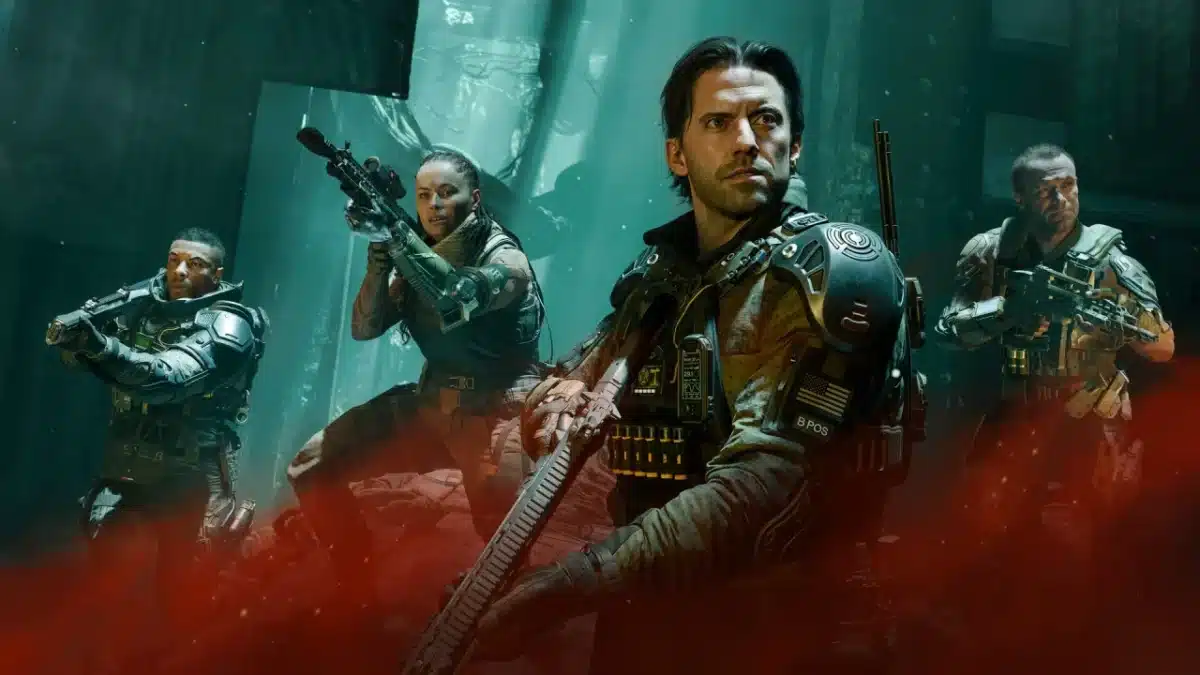
The danger of incremental innovation
Activision has had ups and downs in the releases related to its most profitable saga. If they did not act soon, they were in danger of being left with a market that they have cornered. This news is definitely in favor of the players. And it is not only about pausing continuous deliveries, but the support given to Call of Duty in turn can be even more robust.
We will have to wait and see what direction the different Call of Duty sagas take. However, it seems to me that they are in a perfect moment to reflect on the good and bad they are doing with the titles. On the one hand, the production is notable in all its sections, and they have enjoyed being technological marvels in their latest deliveries. On the other hand, saturating the market with so many games under the same name can work against them. In addition to replacing a huge number of players every year who invest money and time in each installment.
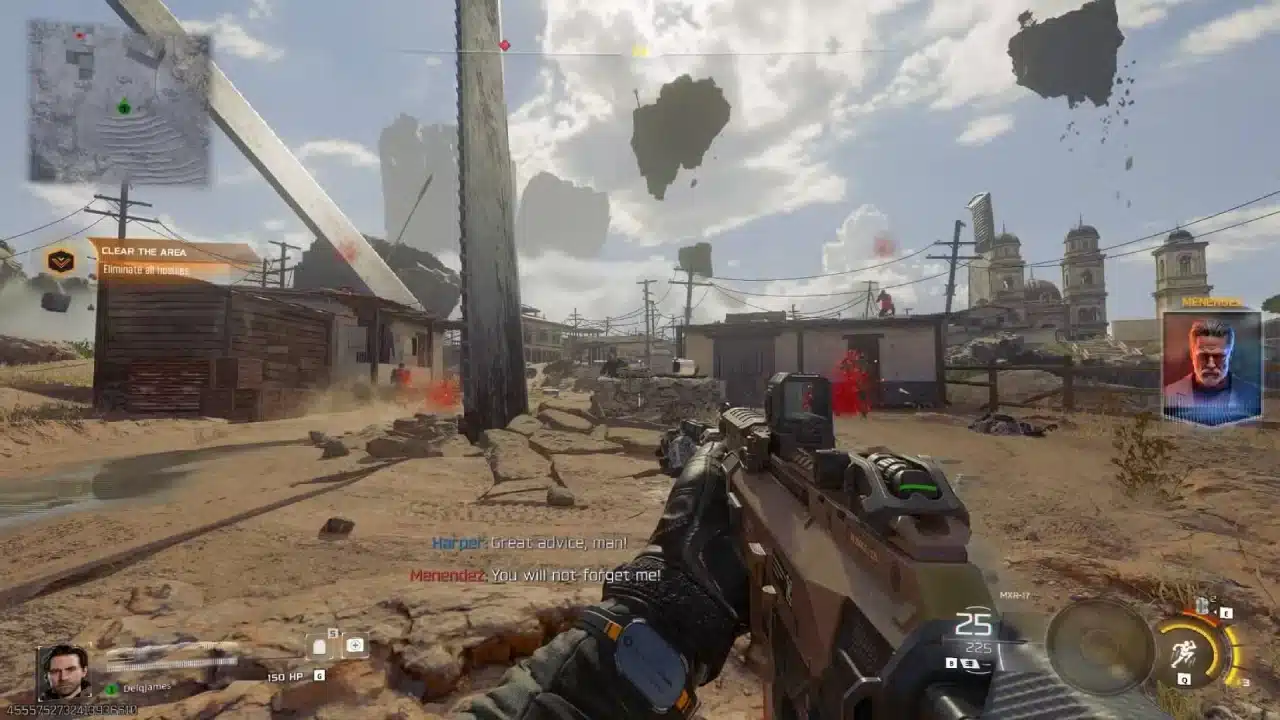
In conclusion, although the stumble of Black Ops 7 has been painful for die-hard fans, it may have been the necessary evil to right the liner's course. This brake on the chain production of direct sequels is the best news that those of us who have been asking for the saga to surprise us again could receive. Now it remains to be seen if Activision uses this extra time to really innovate or if it is just a pause to recalibrate monetization.
Do you think alternating the sagas will be enough for the quality to return to its peak? Leave us your opinion in the comments.
 /® 2025 Activision Publishing, Inc.
Post a Comment