
COMICUP, China's largest comic convention, caused a strong shock in the cultural community by announcing a radical change for its next edition in Hangzhou, scheduled for the end of December. A few days before the event, The organization reported that it will adopt an exclusive New Chinese Style format. This decision effectively excludes cosplay and exhibitions linked to the anime and Japanese manga. Under the new rules, event staff will be able to remove or prevent access to any content that does not fit the national theme.
The measure had immediate consequences. Several exhibitors canceled their participation and among attendees there is growing fear of a notable drop in attendance. There is also an indirect economic impact, since the event usually attracts thousands of visitors from other regions. That flow of tourism and local consumption is now at risk.
Politics seeping into pop culture
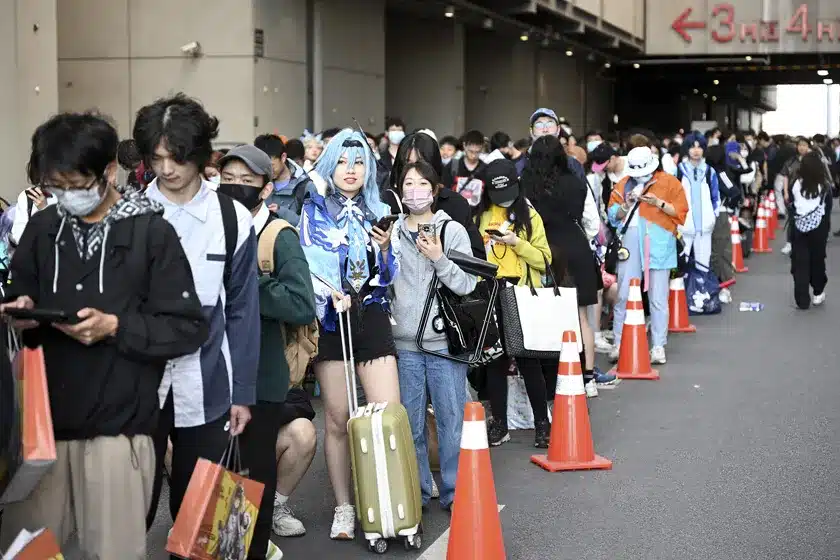
The decision of COMICUP It is interpreted as a reflection of how the Political and diplomatic tensions are beginning to permeate spaces traditionally dedicated to cultural exchange. For years, comics and cosplay conventions functioned as meeting points where international influences coexisted without visible friction. In this new scenario, however, these spaces seem increasingly conditioned by ideological guidelines that redefine what cultural expressions are acceptable.
The imposition of an exclusively national style does not arise from a clear demand of the public, but from a broader context that seeks to limit the presence of foreign influences, particularly Japanese. This situation generates uncertainty among attendees, who are no longer certain that their favorite characters will be welcome in future editions, and transforms an event of creative celebration into a space of constant thematic surveillance.
The void left by the absence of anime and manga
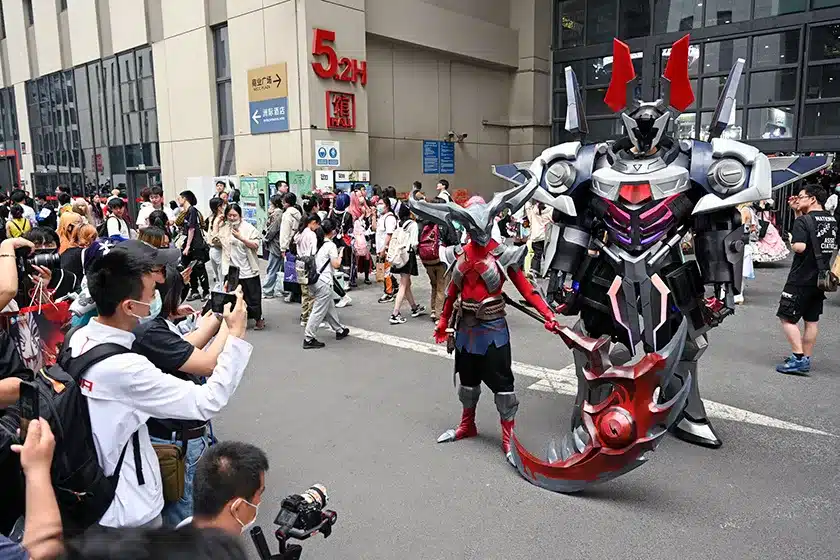
The culture of modern conventions is closely linked to Japanese anime and manga. These franchises have been the main driving force of assistance, trade and international projection. Characters and series drive merchandise sales, attract sponsors and justify long trips by the public. By excluding this component, COMICUP gives up one of the pillars of its mass appeal.
Although China has promoted higher quality local productions in recent years, These still do not have a fan base comparable to the great Japanese franchises. Sustaining the country's most important convention with a limited cultural catalog represents a considerable challenge. Without the global appeal of these icons, the event may lose international relevance and become a primarily local fair.
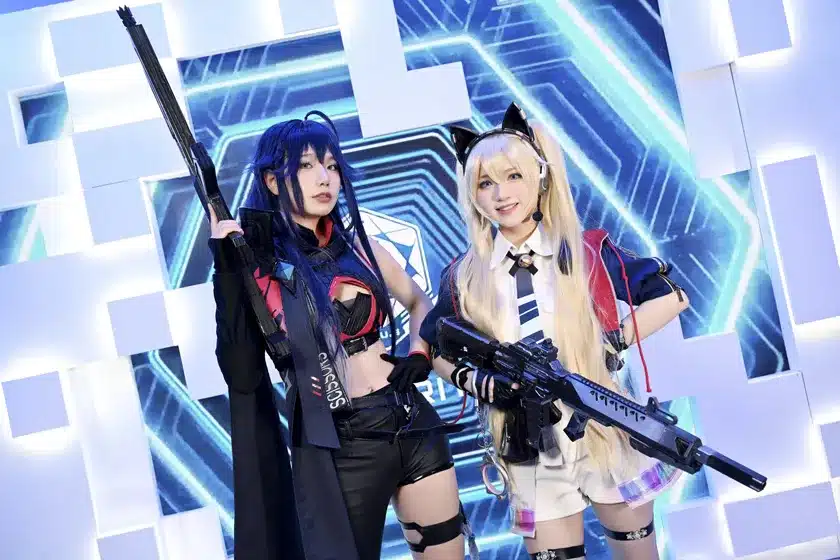
The Verdict
The transformation of COMICUP into a nationalist event is a self-inflicted wound. By announcing this change with such short notice, the organization has demonstrated poor crisis management, dooming the months-long work of thousands of artists. Expelling Japan from the equation is ignoring the creator of this industry's success manual.
We maintain that this is an alarming setback. A convention should be a space for universal exchange. The ban will not make Chinese content more loved; it will only make the event poorer. The result will be a drop in tourism, financial losses for artists, and a fan community deeply resentful of the politicization of their hobby.
Do you think that the “New Chinese Style” is strong enough to keep the convention alive without the support of Japanese anime, or is this the beginning of the definitive decline of COMICUP? Leave us your opinion in the comments.
Copyright © 2021 Caixin Global Limited. All Rights Reserved.
Post a Comment