
Masayuki Kouda, anime director Boruto: Naruto Next Generations, He set off alarms in the community by sharing a message that showed strong professional burnout. Added to this was an equally revealing gesture. The reference to his position as director disappeared from his social media profile. Many interpreted the change as a turning point or a possible withdrawal from production.
Behind the great anime franchises there are work dynamics that rarely come to light. The situation of Kouda cannot be read only as an individual decision, but as the reflection of a constant pressure that falls on those who sustain high-profile projects for years. This episode brings to the table the fragility of the balance between commercial success, public expectations and the mental health of the creators.
The invisible weight of running a historic franchise
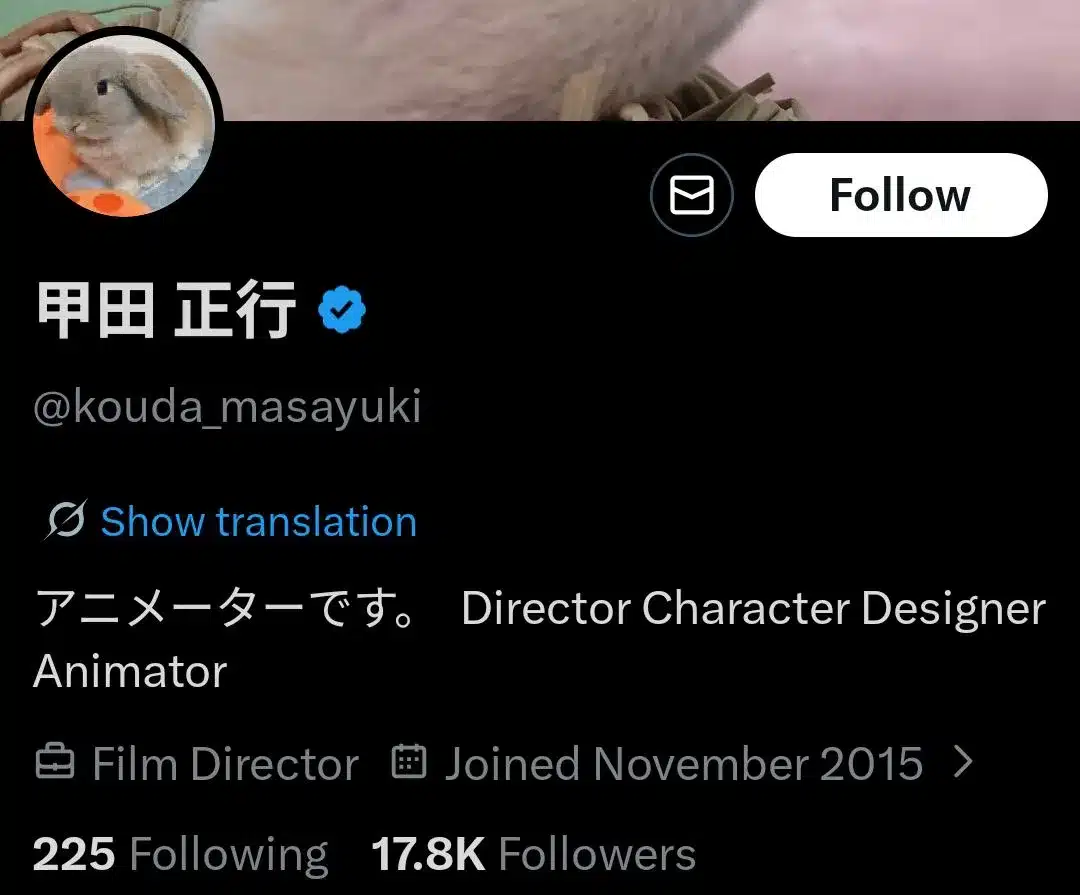
The open question about his continuity as an entertainer suggests an exhaustion that transcends Boruto as a specific project. Directing a series linked to such an influential legacy It involves a prolonged burden of responsibility, criticism and creative demands. By removing your professional title, Kouda seems to be trying to recover a personal identity that had been absorbed by the production system. It is a clear sign that creative authority becomes meaningless when individual well-being is compromised.
In the anime industry, burnout is a silent constant. When a figure of this level reveals his fatigue publicly, It is usually an indication that the accumulated tensions have exceeded any reasonable margin of resistance.
The fandom response and the debate over creative health
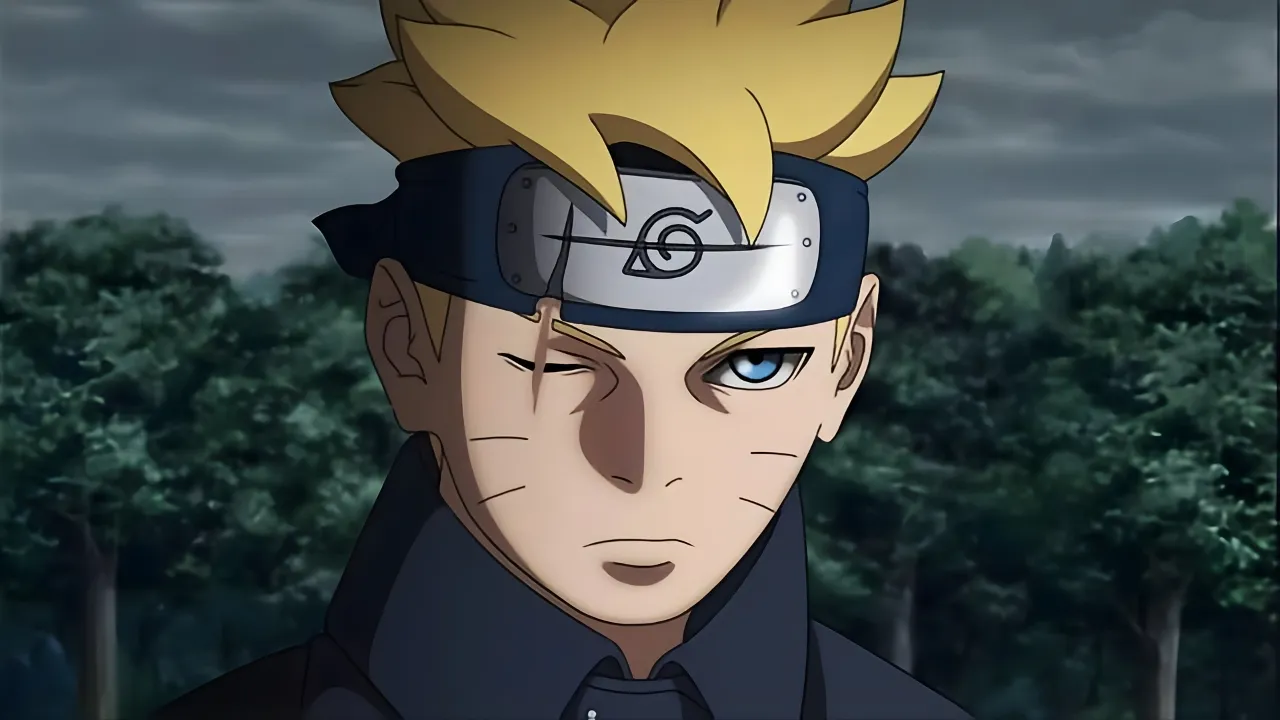
The reaction of the followers has been mostly supportive, prioritizing the well-being of the director above the immediate continuity of the series. This support builds a new relationship of trust between audience and creators, in which it is recognized that the quality of the final result depends directly on the health of those who produce it. A possible departure from Kouda would mean a significant creative loss, but it could also set a necessary precedent about the importance of setting real boundaries in the industry.
Similar situations experienced in other studies confirm that the current production model is unsustainable in the long term. The case of Kouda reinforces the urgency of rethinking working conditions to protect anime's most valuable resource: the people who make it possible.
The Verdict
Masayuki Kouda's message is an open wound at the heart of Boruto's production. His possible departure and his doubt about continuing to be an entertainer are a warning for the entire industry. Mental health is not a luxury, but the foundation on which Creative Authority is built.
We maintain that no anime is worth a person's health. If Kouda needs to step aside, the industry needs to allow it and, above all, reflect on why its top talent is considering abandoning the art they love.
Do you think anime production companies should implement mandatory rest periods for their directors of long series to avoid cases of extreme exhaustion like this? Leave us your opinion in the comments.
Post a Comment