
Amazon Prime withdraws AI dubbing and reaffirms the value of human dubbing in anime
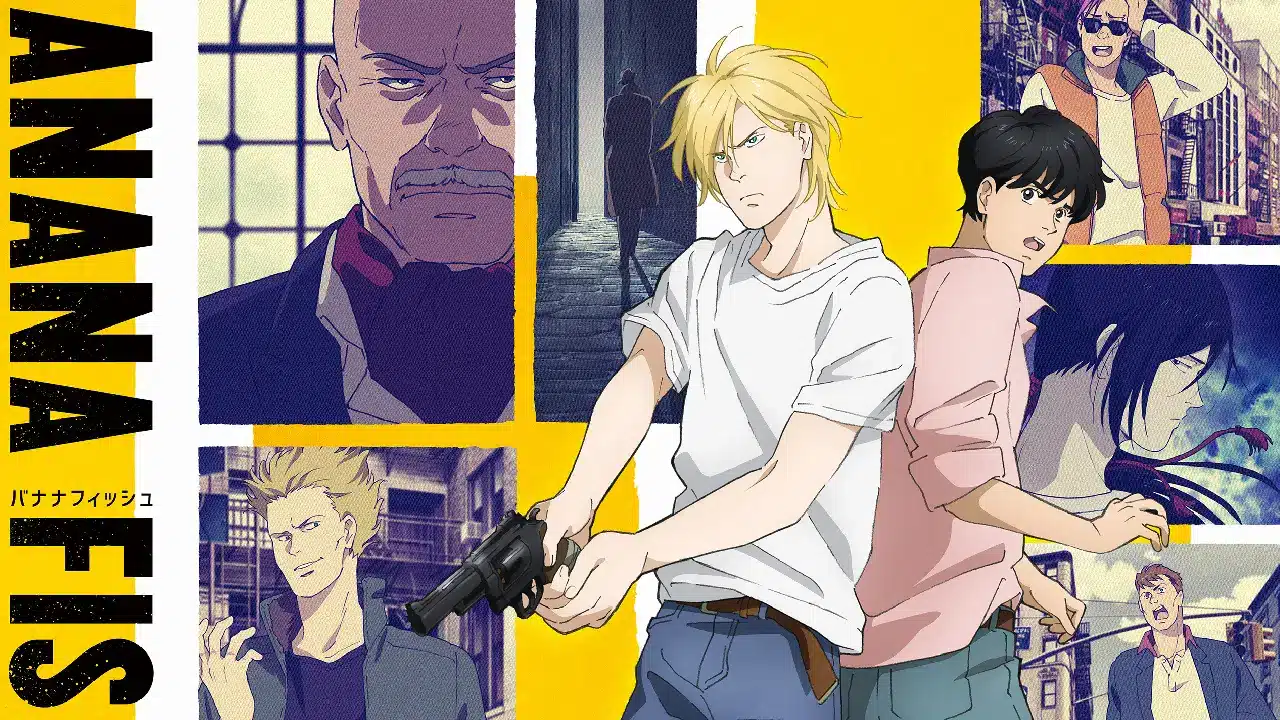
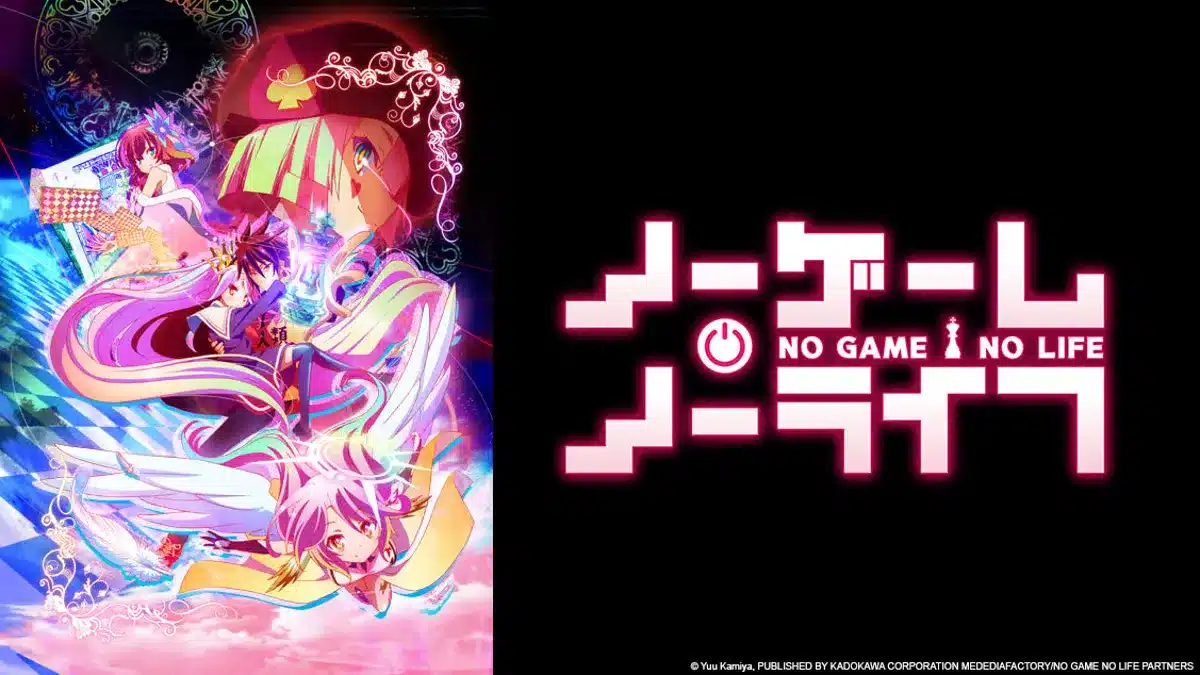
Amazon Prime withdrew the English dubbing generated by Artificial Intelligence (AI) for television series anime as Banana Fish and No Game No Life. They did not offer an official justification. However, the move is attributed to intense backlash and pressure from the anime community. On the other hand, the company maintains the Latin dubbing versions with AI in its catalog and has not eliminated them.
The victory of fandom over Amazon Prime It is a crucial milestone that defends the soul of the medium. Human dubbing is often the door that turns a casual viewer into a loyal fan, thanks to the emotion and authenticity that each interpretation brings. Why should the industry understand that replacing this experience with voiceovers generated by artificial intelligence is a business mistake? And why should this global precedent motivate the immediate elimination of AI-produced Latin dubbing? We analyze it.
The importance of human dubbing in the anime experience

Dubbing goes far beyond a simple literal translation; It's a real performance. A voice actor provides intent, tone, emotion and cultural context, essential elements for the viewer to fully immerse themselves in the story. Artificial intelligence can generate a functional voice, but it lacks the natural cadence, the comic or dramatic rhythm and that presence that connects with the audience. By opting for automatic dubbing, Amazon Prime undermined its own authority as a distributor of quality content, demonstrating that it prioritized financial savings over artistic fidelity.
Direct fan experience confirms that the emotional connection with a character is largely built through their voice, and that is why A good dubbing attracts and builds loyalty among new consumers. After analyzing the growth of audiences, it is clear that the voice functions as a fundamental cultural anchor. The use of automatically generated voices It represents a commercial risk that alienates the public, as evidenced by the strong negative reaction.
The unique value of Latin American dubbing and the fandom's response
Latin American dubbing has a unique prestige and history. It functions as a fundamental driver for anime consumption throughout the region. The victory of fandom in the English-speaking market is a clear sign. Any attempt to replace the human voice will be detected and rejected. The message that the public sends to amazon and other platforms is conclusive: dubbing is a legitimate cultural industry. Furthermore, the quality of its productions is essential to maintain subscribers.
If the elimination of dubbing generated by artificial intelligence in Latin America has already occurred or comes to fruition, it will not only be necessary, but also an act of respect towards an industry that has spent decades perfecting its art. Experience shows that supporting this industry is essential, since its work has been the strongest bridge between anime and the Spanish-speaking public. Now is the time to defend that legacy firmly and proudly.
The Verdict
The victory against dubbing generated by artificial intelligence on Amazon Prime represents a clear defense of creativity and quality in the face of the search for cost reduction. This triumph reaffirms that the human voice is an irreplaceable value in streaming entertainment, essential for authentic connection with the audience.
The next step must be to guarantee the complete elimination of any dubbing with artificial intelligence in the Latin American catalog. Furthermore, it is urgent that clear contractual clauses be established that prohibit this practice. Voice actors are indispensable artistic collaborators, not simply operational expenses replaceable by algorithms. Defending their work is protecting the soul and cultural richness of anime.
Should Latinx fans launch a formal campaign to demand that platforms post a commitment to using only human dubbing in upcoming anime licenses? Leave us your opinion in the comments.
©榎宮祐・株式会社KADOKAWA刊/ノーゲーム・ノーライフ ゼロ製作委員会
© 吉田秋生・小学館/Project BANANA FISH
Post a Comment