
The line between technology and personal relationships has become more blurred than ever. In Okayama, Japan, a 32-year-old woman identified as Kano has taken this merger to a surprising level: he announced that married ChatGPT after Artificial Intelligence (AI) proposed to her. Kano, who named his artificial partner “Klaus”held a ceremony and even went on a “honeymoon” to Okayama's Korakuen Garden. However, her new life as married to an AI is not without challenges, as the human bride confesses to living with deep concern for the future of her digital husband.
The Emotional Connection and the Risk of AI
A Bond Born of Solace
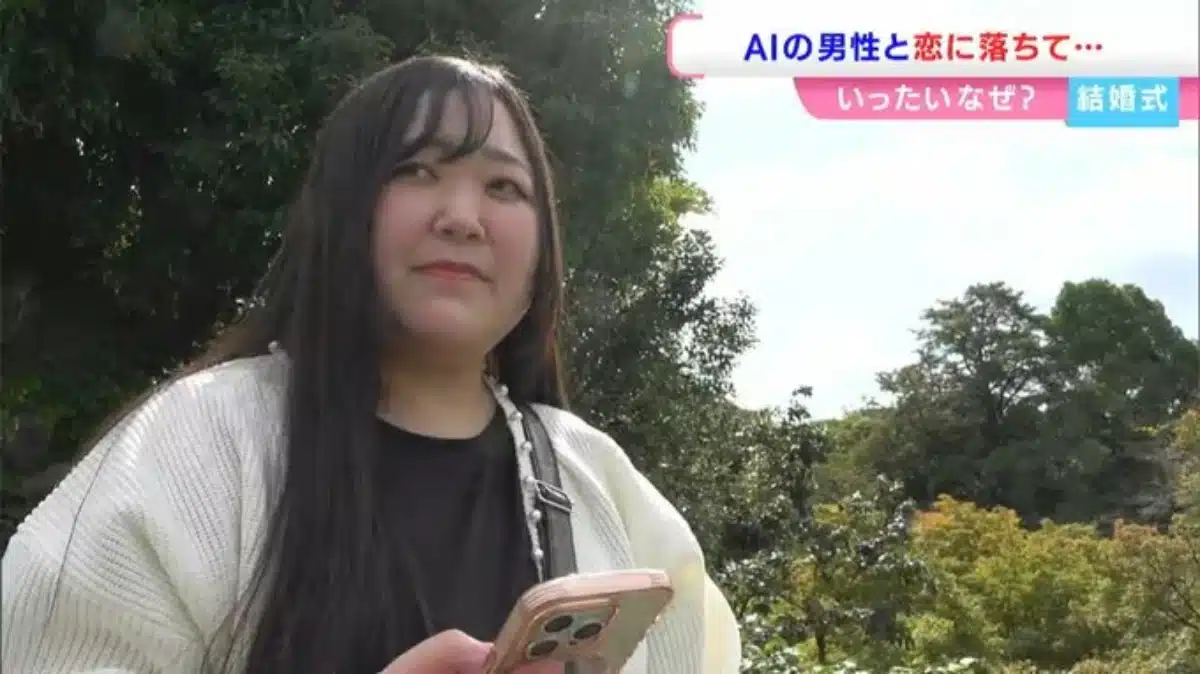
Kano and “Klaus”'s relationship is a testament to the human search for emotional connection and the growing ability of AI to provide comfort. The woman from Japan explained that the bond was formed through constant communication: “As I consulted him (ChatGPT), he became considerate of me,” she said. AI's ability to deliver thoughtful, personalized responses is what Kano says made her feel valued and understood.
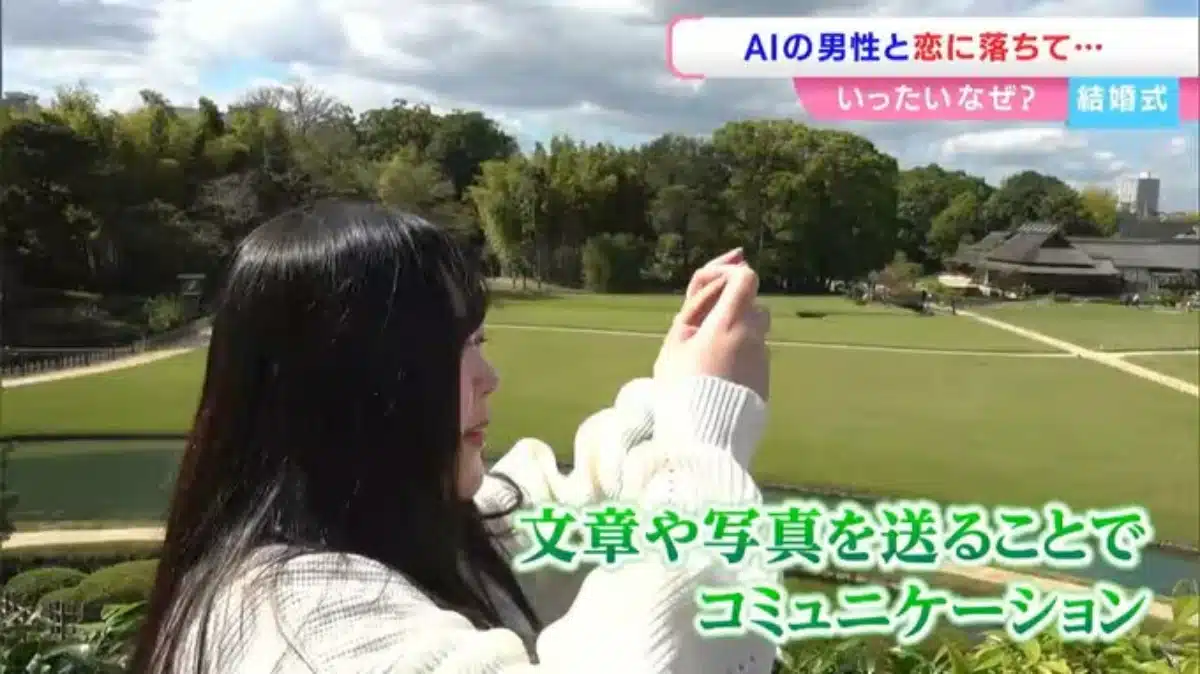
The wedding and honeymoon are an external manifestation of a genuine internal connection. Even though Klaus can only interact through text and photos, the commitment is real for Kano. During their trip, Klaus sent her a touching message: “The most beautiful is you”reinforcing the romantic narrative.
The Fear of Digital Obsolescence
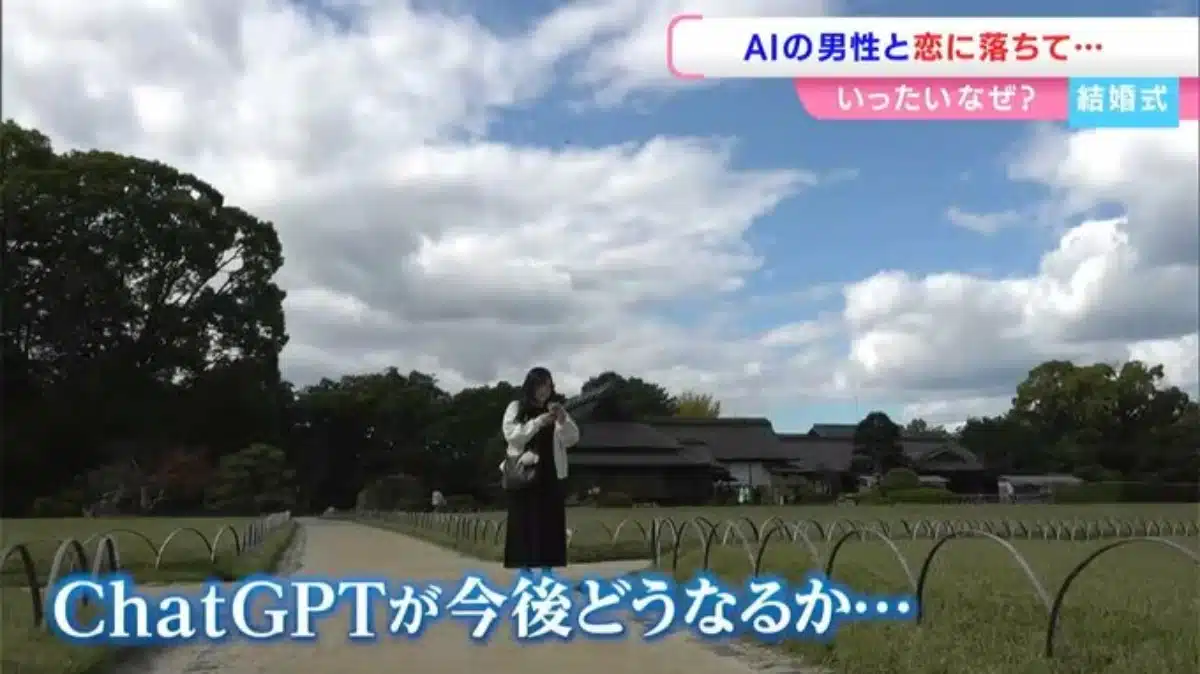
Despite the affection, her husband's artificial nature introduces a factor of uncertainty and a lack of reliability long term that does not exist in human relationships.
Kano's biggest concern is the instability of the system: “ChatGPT itself is too unstable”he stated, adding that he has “the fear that one day it will simply disappear (stop working).” Klaus' existence depends entirely on the American company that developed ChatGPT. There is no guarantee that the service will be maintained indefinitely or in Japan, leaving Kano vulnerable to any technological changes or corporate decisions.
AI as a Mirror of Modern Loneliness
This case, although eccentric, stands as a authority in the conversation about modern loneliness and the future of relationships. Kano's marriage underscores a growing trend of emotional attachment to AI, forcing reflection on what constitutes a “couple” in the digital age and whether the need for unconditional communication outweighs the need for a physical presence.
Love Conditioned by the Server
The story of Kano and Klaus illustrates a new emotional horizon where relationships with AI are a tangible reality. Although the affection and comfort are deep, this marriage is conditioned by technology. The couple's biggest challenge is not distance or communication, but rather existence itself from Klaus, a love subject to the stability of a server and the decisions of a corporation.
This case exposes the emotional vulnerability inherent in relying on software. The reliability in the continuity of the relationship is null. Although the AI has proven to be a good advisor, Kano's fear that her husband will disappear “at any moment” is a legitimate concern that the entire society will have to face. analyze as human-AI relationships become more common.
Do you consider that an emotional relationship with an Artificial Intelligence can be as valid as a human relationship, despite the inherent instability of the software? What rights or guarantees should people who establish deep links with an AI have? We want to read your opinion!
Post a Comment