
The anime industry has suffered an irreparable loss, a person of great talent and contributions in One Piece and dragon ball. Through reports from animators, later confirmed by his family, they revealed that the anime director Tatsuya Nagamine He died on August 20 at the age of 53. However, reducing his figure to a note of mourning would be unfair; Today we say goodbye to the man who, from the shadows of production, orchestrated the most important visual renaissance of the last decade in Toei Animation.
The architect of the “Wano Era” in One Piece
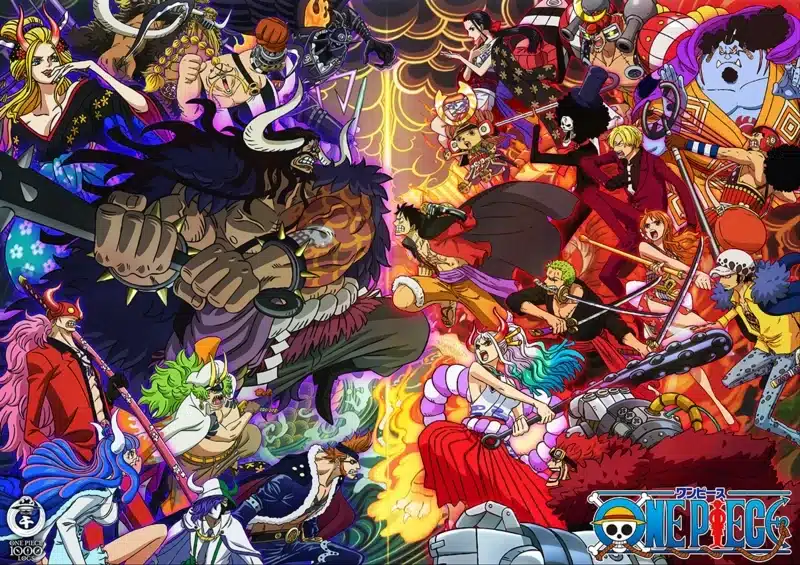
To really gauge what this loss means for the anime industry, it is necessary to review what it was like. One Piece before and after your arrival. Nagamine took the reins of the series from episode 892, right at the opening of the arc Wano.
That was the point where he left his biggest mark. Nagamine It promoted a total transformation in the direction of photography and in the application of line filters, elements that gave the series that “weekly movie” feel. Under his leadership, animation abandoned the rigidity that characterized it to become something much more dynamic and fluid. Those of us who follow the anime week by week noticed the change immediately: it brought to television the level of quality that it had already demonstrated in One Piece Film Zwhich he also directed. That standard was maintained until the arc of Egghead and continued to influence later episodes.
The mastery of chaos in Dragon Ball Super: Broly
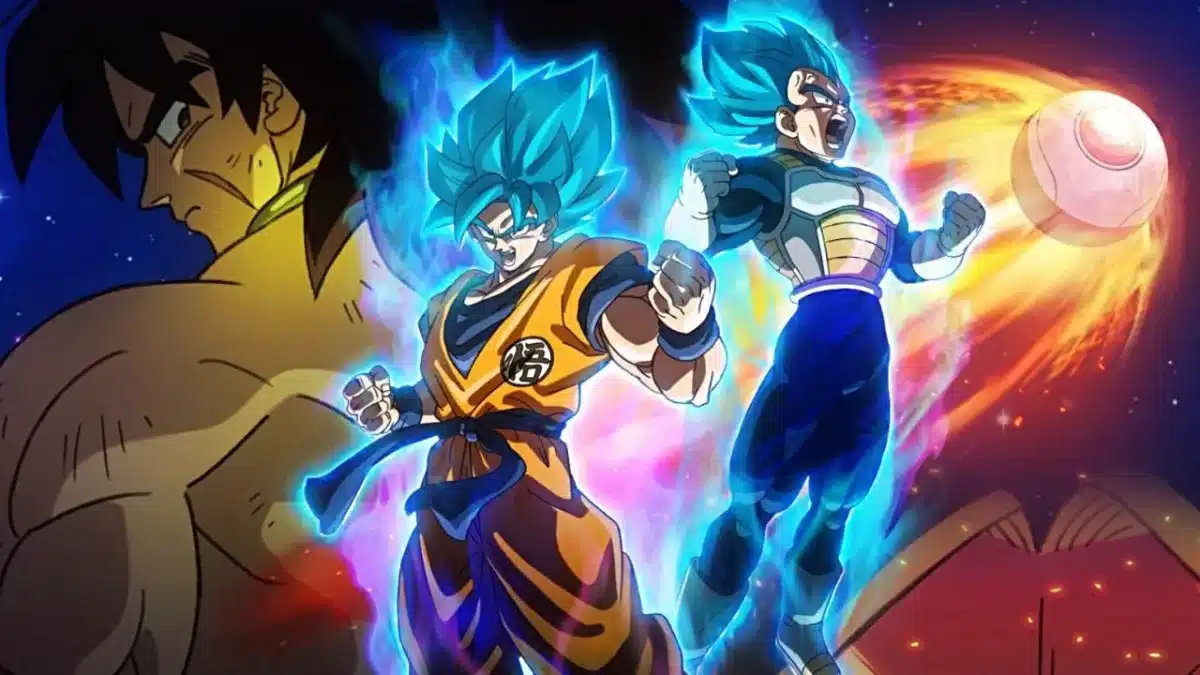
Talk about Nagamine necessarily implies mentioning his greatest work in terms of action, we mean Dragon Ball Super: Broly. While other directors of the saga focused on maintaining the rigidity of the models, Nagamine He opted for kinetic energy over anatomical perfection.
Thanks to that vision, the animators were able to “break” the character models to convey acceleration, strength, and genuine impact. If the battle between gogeta and Broly It felt like a visceral experience and completely different from any combat match. Dragon Ball Zwas because of its philosophy of allowing animation to warp, flow and breathe in the service of visual spectacle.
A perfectionist with a heart
Beyond his technique, his work ethic defined his teams. The screenwriter Osamu Suzuki shared a revealing anecdote about the production of Film Z. Although Nagamine rejected the first script and was stern, at the end of the project, he bowed deeply to Suzuki with a sincere “thank you for your hard work.”
This story humanizes the genius: a demanding director who put “his heart and soul” in each framebut he deeply valued those who managed to keep up with him in his pursuit of perfection.
Verdict: An indelible legacy
Tatsuya Nagamine He was not simply a director who went through several productions; He was a creator of visual language who transformed the way shonen communicate emotion, power, and movement. His influence extends from his early contributions in Precure and Digimonwhere he already showed his inclination for expressive fluidity, to his most emblematic works in the great franchises of the Shounen Jump. There he consolidated a style that combined dynamism, risk and a precise understanding of how the action on screen should feel. Nagamine He trained an entire generation of animators who today replicate and evolve his way of thinking about animation, ensuring that his visual seal remains alive for many years in every impact, every transition and every combat sequence that they produce.
To honor his legacy, we want to invite you to participate: which do you think best represents his genius as an action director? The epic final confrontation of One Piece Film Z or the explosive confrontation of Dragon Ball Super: Broly? Share your tribute and your favorite scene in the comments.
Post a Comment