
A new tool Google, informally known as “Nano Banana 2,” is causing great surprise and debate among manga fans. This artificial intelligence model You can translate and colorize entire pages of manga with a single command, achieving precise results that have impressed many fans. The news is clear: the technology to make manga instantly accessible and in color is here. But why should this advance be considered a tool that democratizes access and not a threat to translators and colorists? We analyze it in depth.
The fast track to global accessibility
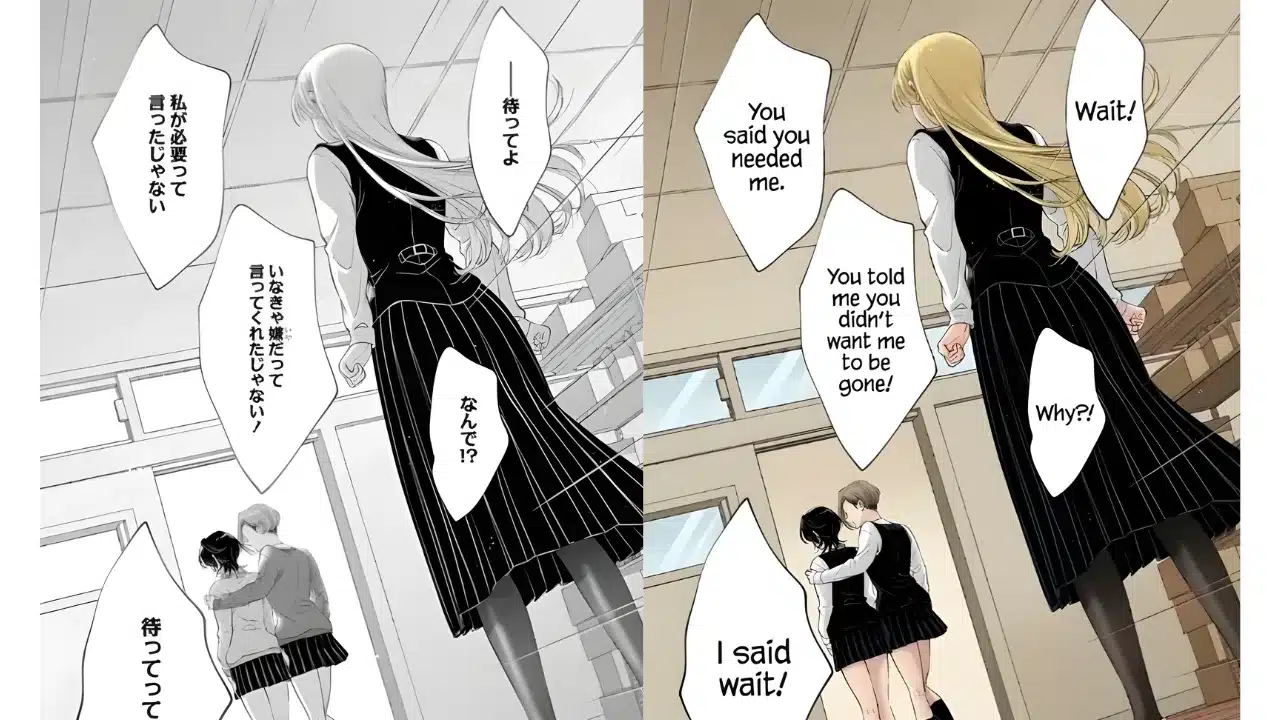
The true impact of “Nano Banana 2” It's not just in the color quality. Also The speed and uniformity with which it locates the manga stands out. Traditionally, transforming a black and white Japanese publication into an official version in another language could take months or even years. This artificial intelligence combines the translation and application of the base color in a single step. This can reduce that wait considerably. For publishers, it represents the ability to bring legal and color content to global audiences much faster. Testing preliminary examples online shows that they can generate a readable version of a chapter within hours of its release in Japan. This marks the beginning of a new era in global manga publishing.
The Human Expert as Coherence Supervisor
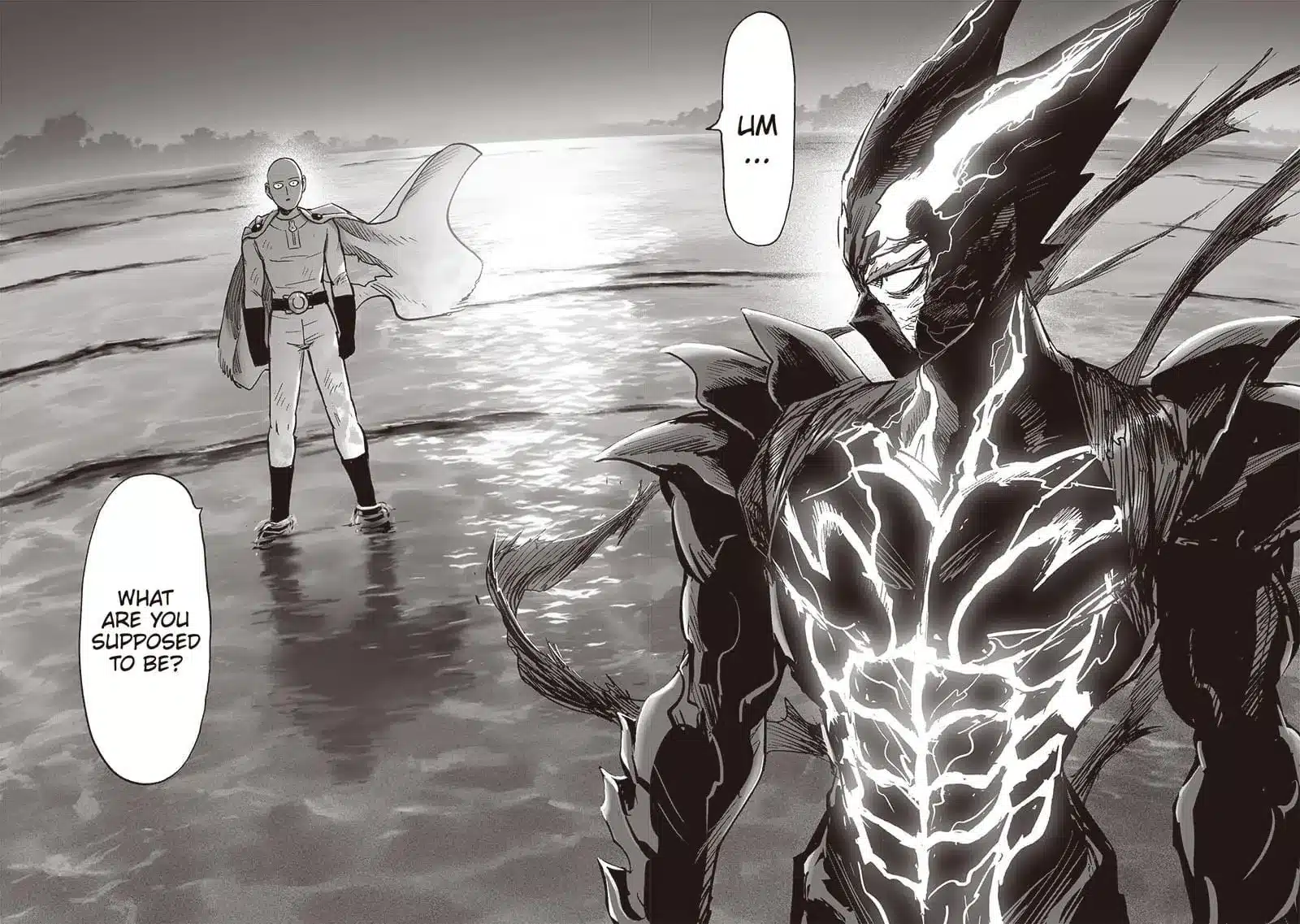
Concern that artificial intelligence could replace colorists overlooks the unique value of expert artistic vision. Although “Nano Banana 2” is capable of applying color in a functional way, the real challenge in color manga lies in maintaining visual coherence throughout an entire volume. The human colorist is the one who chooses the appropriate emotional palette, decides precise lighting for key moments and ensures that a supporting character's hair color is consistent from the first panel to the last. In this sense, AI is positioned as a tool to set the base color, while the professional retains the essential role of quality supervisor and artistic director.
Redefining the Role of the Fan Translator
Fear also reaches the world of fan translation, known as scanlation. If translation can be instantaneous and accurate, what role will be left for amateur translators? The answer is that your role will change and evolve. Although “Nano Banana 2” can translate the text, You don't have the ability to grasp the slang, wordplay, or cultural nuances of the Japanese language. Therefore, the future for both amateur and professional translators is to become linguistic curators, in charge of polishing and providing authenticity to these automatic translations, ensuring that the manga retains its essence and soul even in an increasingly automated process.
The Verdict
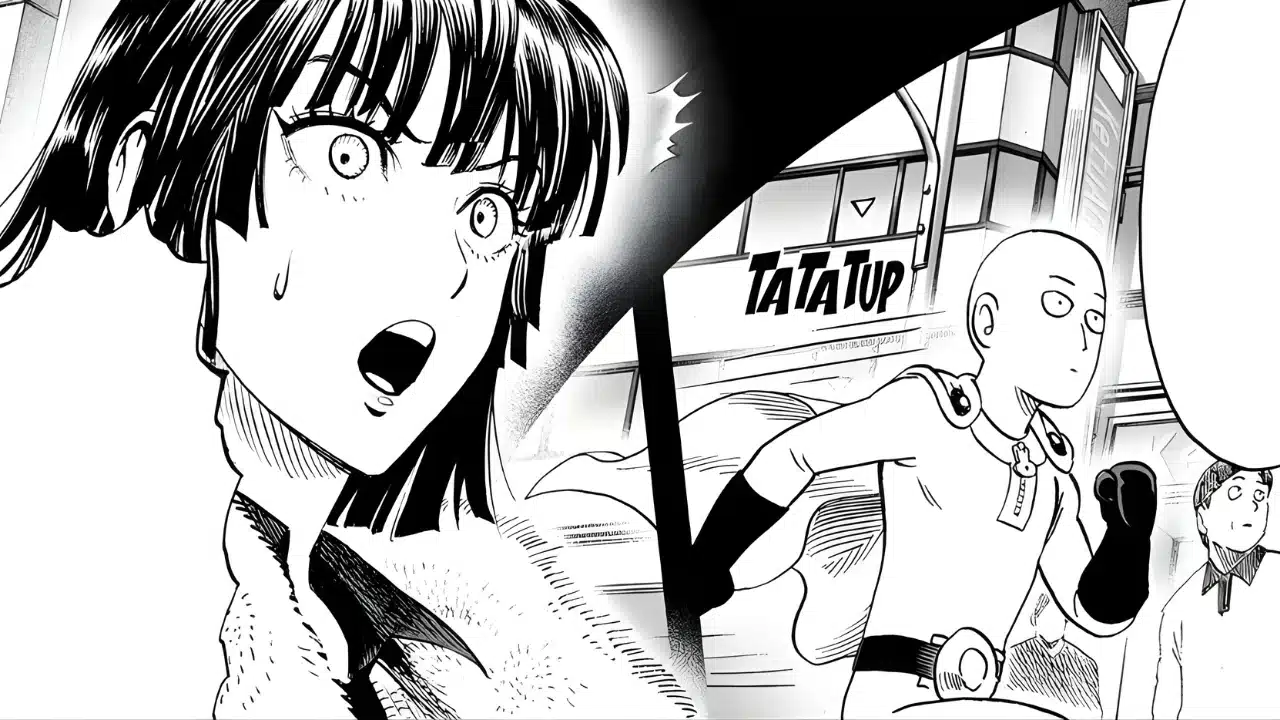
The arrival of “Nano Banana 2” represents a radical change for the manga industry. It does not destroy its essence, but rather optimizes and speeds up repetitive and lower-value tasks. From my experience, this artificial intelligence will be a key tool to democratize and make color manga more accessible around the world. More than a replacement, it encourages professionals to focus on what only human sensitivity can provide: the artistic touch and cultural richness that give soul to each work. In this new scenario, AI enhances pre-production and frees up talent for what really matters.
Do you think auto color detracts from the original black and white manga experience, or that access speed is more important? Leave us your opinion in the comments.
Post a Comment