
Japan is preparing for an era of greater rigor in coexistence and the application of laws for non-Japanese residents. He governmentthrough the Minister of Economic Security and promoter of a “society of orderly coexistence”, has announced that they will take “strict measures” against those foreigners who break the rules and make inappropriate use of public systems. The central objective is to ensure that the “foreigners who do bad things no longer exist in Japan”. Seeking to calm public anxiety and the “sense of injustice” caused by a minority.
The New Heavy Hand Policy and the Balance of Coexistence
The Discourse of Firmness and Public Order

The announcement represents a change of authority in Japan's immigration approach, prioritizing security and strict law enforcement for all residents. The focus of the new guidelines is on the repression of «crimes and disruptive behavior» and in the “inappropriate use of public systems” by some foreigners.
The government has recognized that current systems and policies are “unsuitable for current circumstances” and they need a comprehensive review to strengthen residency management and, specifically, control over land acquisition by non-Japanese citizens.
The context of the “strict measures” in Japan is reflected in viral incidents, such as the case of the young Chilean who performed gymnastics or “pull-ups” on an arch torii sacred. This act is a direct example of the “disruptive behavior” that the government seeks to penalize, since it implies the inappropriate use of a cultural structure. The wide dissemination of this type of disrespect on social networks exacerbates “public anxiety” and validates the implementation of the new policy of applying a tough line against foreigners who do not follow the rules of coexistence in Japan.
Ordered Coexistence: The Challenge of Integration
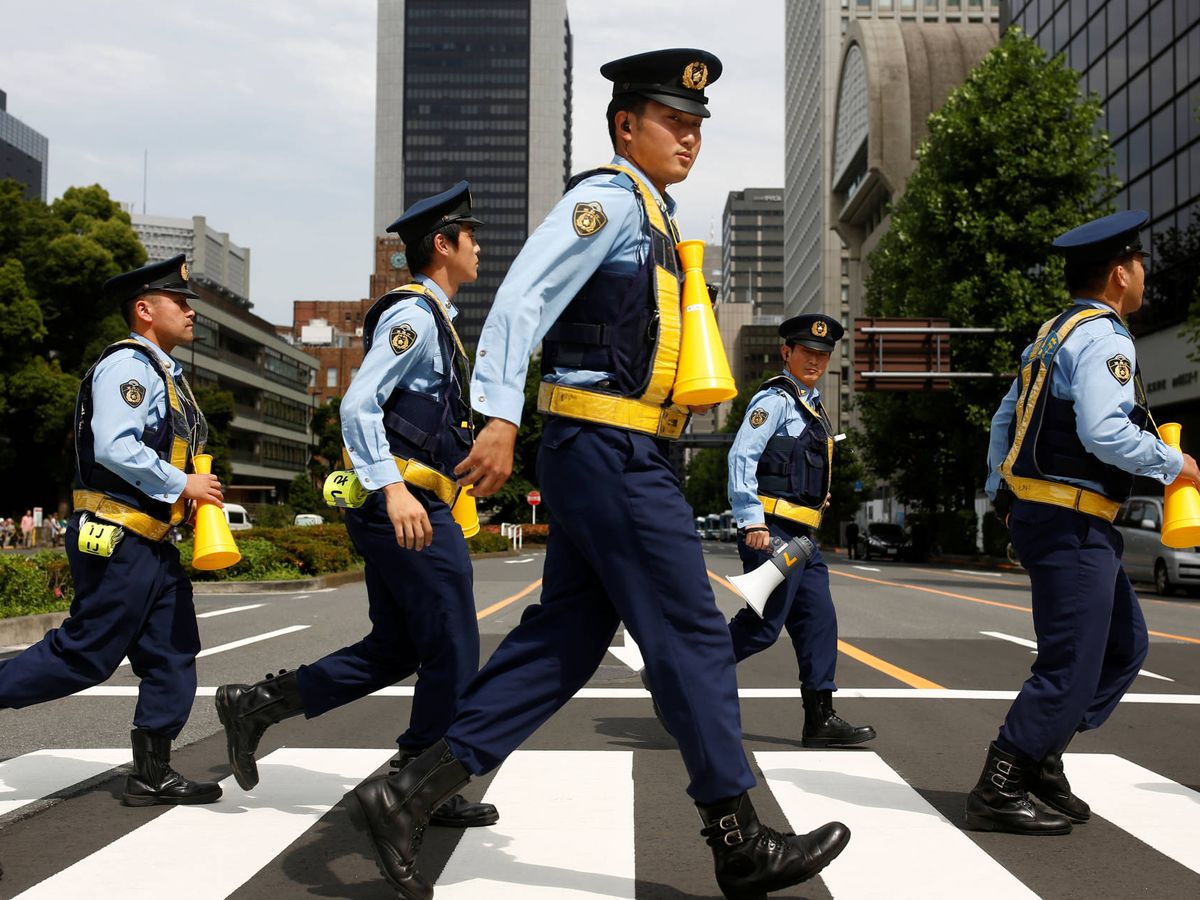
The implementation of these strict measures seeks to guarantee the experience positive response from the majority of law-abiding foreign residents. The official position seeks to differentiate the application of the law from xenophobic feelings, making it clear that the measures are directed only at offenders. The objective is “create a situation where only those who follow the rules and laws are in Japan”.
The government maintains the need to welcome foreign workers who are vital to meeting the labor shortage in Japan. Therefore, the application of the law will seek a balance between firmness and labor openness.
Reliability and Security for the Japanese Citizen

The new position seeks to restore the reliability of Japanese citizens that the State can handle the challenges of migration and coexistence. By publicly announcing the heavy hand, the government sends a message that it is taking actions to alleviate citizen “anxiety.” The reliability It is based on the promise that the law will be a guarantor of peace and order.
Japan's New Migration Approach
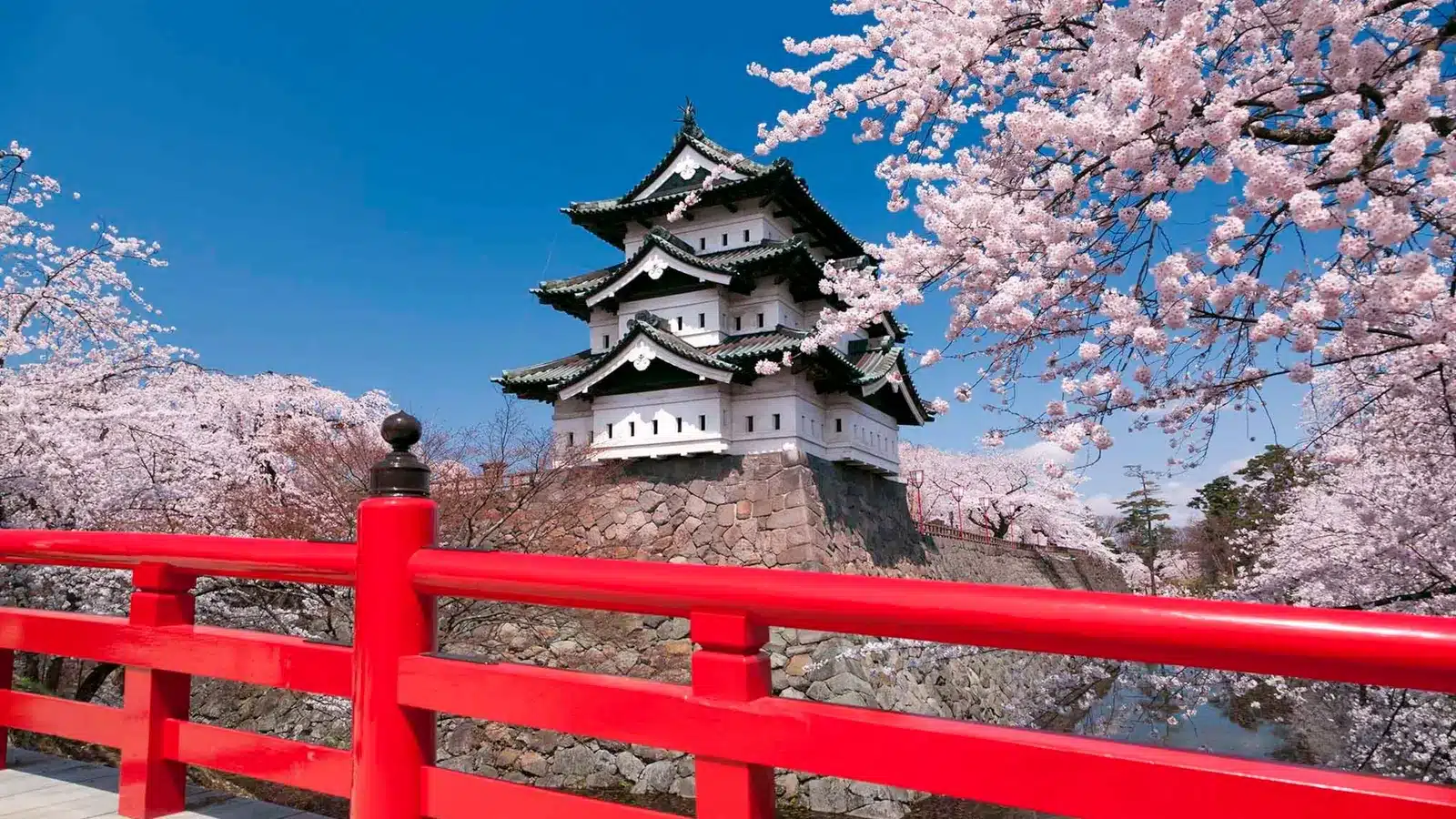
Japan's decision to impose “strict measures” marks a turning point in its immigration policy. The key is coexistence: welcome to those who contribute legally and rigorous application of the law to those who cause disorder. It is an attempt to readjust the social balance in a country with a growing foreign population.
Although the intention is to protect public order, the implementation must be extremely careful so as not to damage the experience of the millions of foreign residents who live and work legally. The reliability of the system depends on “strict measures” being applied fairly and without bias.
Do you think imposing “strict measures” is the right approach to foster coexistence in Japan? How should the Japanese government balance the need for foreign labor with immigration control? We want to read your opinion!
Post a Comment