
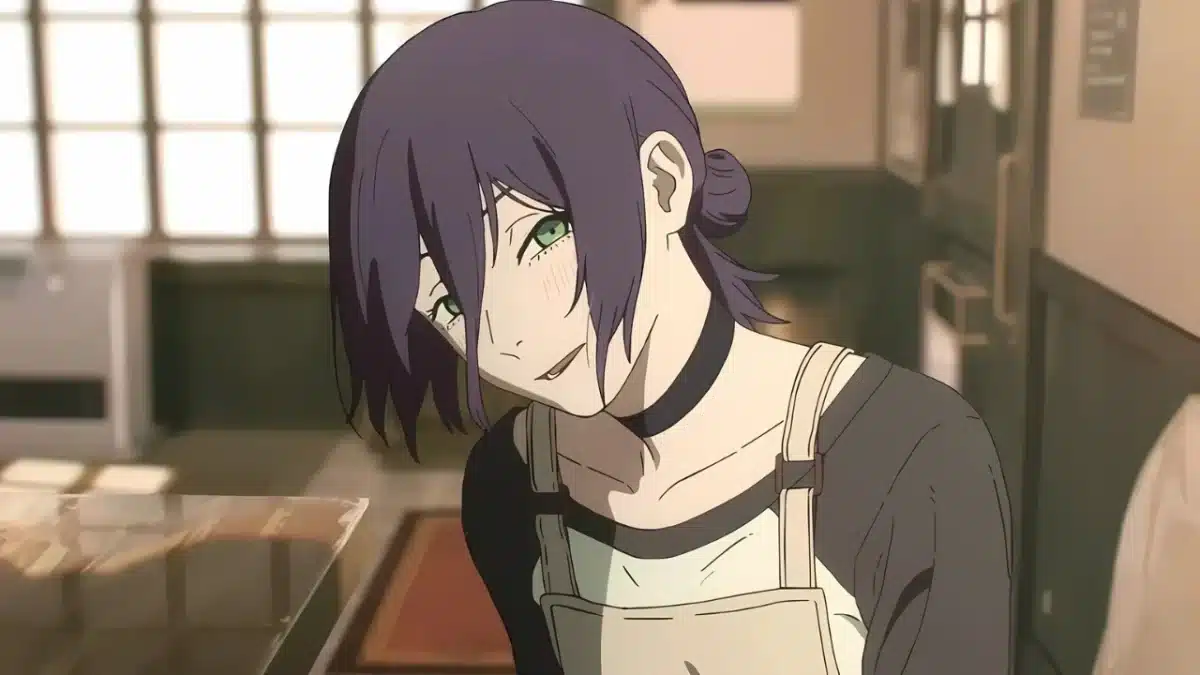
In recent years, the anime studio MAPPA has built its empire on chaos and visual adrenaline, cementing its fame with explosive titles like Chainsaw Man, Jujutsu Kaisen and Attack on Titan: The Final Season. However, long before this “high-impact animation” dominated, the studio delivered a gem that, ironically, surpasses its modern successors in narrative, we mean Dororoa series released in 2019.
Narrative clarity versus visual hype
While many of the great anime MAPPA They bet on constant intensity, effects and cliffhangers as the main driver of attention, Dororo It stood out for its almost opposite approach, highlighting solid and sustained narrative clarity. Its strength does not lie in immediate spectacularity, but in the internal coherence of its story.
Being a complete adaptation and not a work that competes with a manga still in publication, the series avoids the most common vices of the industry: there is no filler, there are no empty transition episodes or a rushed pace to reach iconic chapters. Each arc is calibrated to advance the story organically, and each pause has an emotional purpose.
The structure of Dororo It works as a bridge between the historical and the contemporary: it combines the rawness of feudal Japan with a modern narrative sensibility, achieving a timeless tone rarely seen in productions dominated by visual frenzy. In a panorama where series like The God of High School They prioritize kinetic energy and adrenaline over emotional construction, Dororo demonstrates that well-executed clarity can be equally or even more powerful than pure spectacle.
Hyakkimaru: A protagonist who begins “Below Zero”
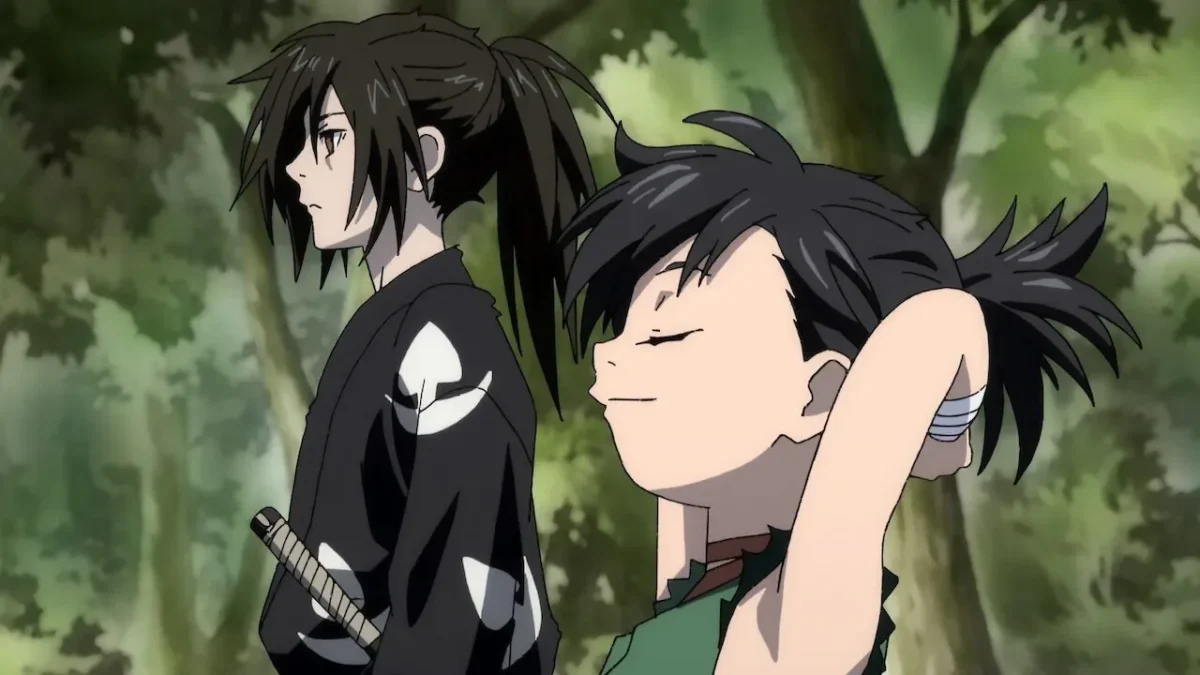
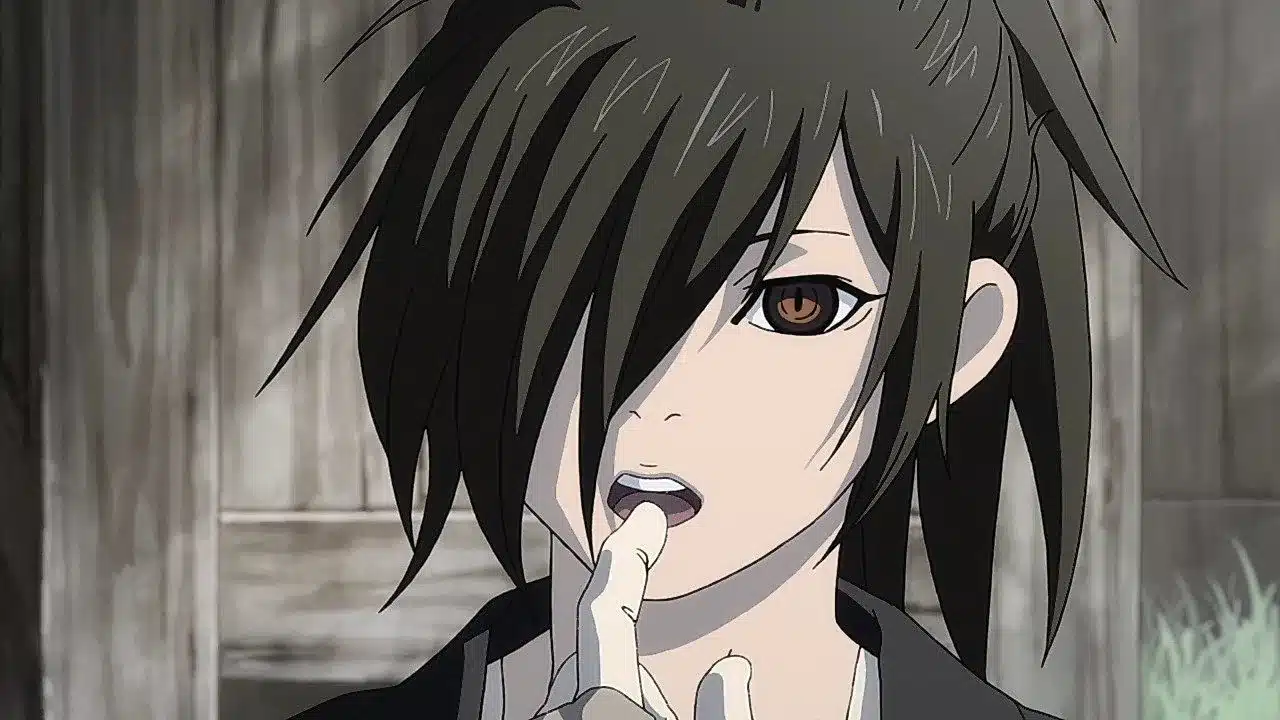
Hyakkimaru He is not the typical protagonist shonen. He begins the story stripped of everything, including no voice, no eyes, no limbs and no memory.
This extreme state allows for the construction of one of the studio's cleanest and most perfect character arcs. The recovery of his body parts is not treated like a video game “Power Up”, but rather an emotional awakening. Each recovered sense, the first sound, the first pain, reconfigures his psychology, posing a fascinating moral dilemma: Is it worth recovering his body if it means destroying the artificial prosperity of his land?
Humanity in a brutal world
Unlike the sometimes gratuitous violence of other titles, the brutality in Dororo It has purpose. The world is at war and famine, but the series does not wallow in misery. This is where it comes in Dororowho is not just comic relief, but the moral anchor of the series. His relationship with Hyakkimaru It is the most honest victory of MAPPAtwo broken people learning to walk together, where Dororo teaches empathy to someone who is rediscovering what it means to be alive.
Verdict: the gem that exposes the emptiness of the spectacle
Dororo It is living proof that a well-constructed, complete, closed story without narrative crutches can effortlessly prevail over any parade of striking effects. In a time where many series rely on sensory overload and the promise of “more, more and more,” this adaptation demonstrates that narrative strength continues to be the most valuable resource. Six years have passed since its premiere and its ending continues to feel round, emotionally satisfying and, above all, definitive. It doesn't leave loose ends, it doesn't hide behind endless sequels, nor does it need to artificially expand its universe to justify its impact.
In that sense, Dororo remains one of the studio's most moving and best-articulated works: a work that prioritizes the evolution of its characters, the weight of their decisions, and the emotional resonance of each episode. It is a reminder that, when the story is told well, there is no need to embellish it with artifice.
And now, let's be honest: are you from the team that vibrates with the brutal adrenaline of Chainsaw Manor stick with the impeccable character build it offers Dororo? Defend your position in the comments!
Post a Comment