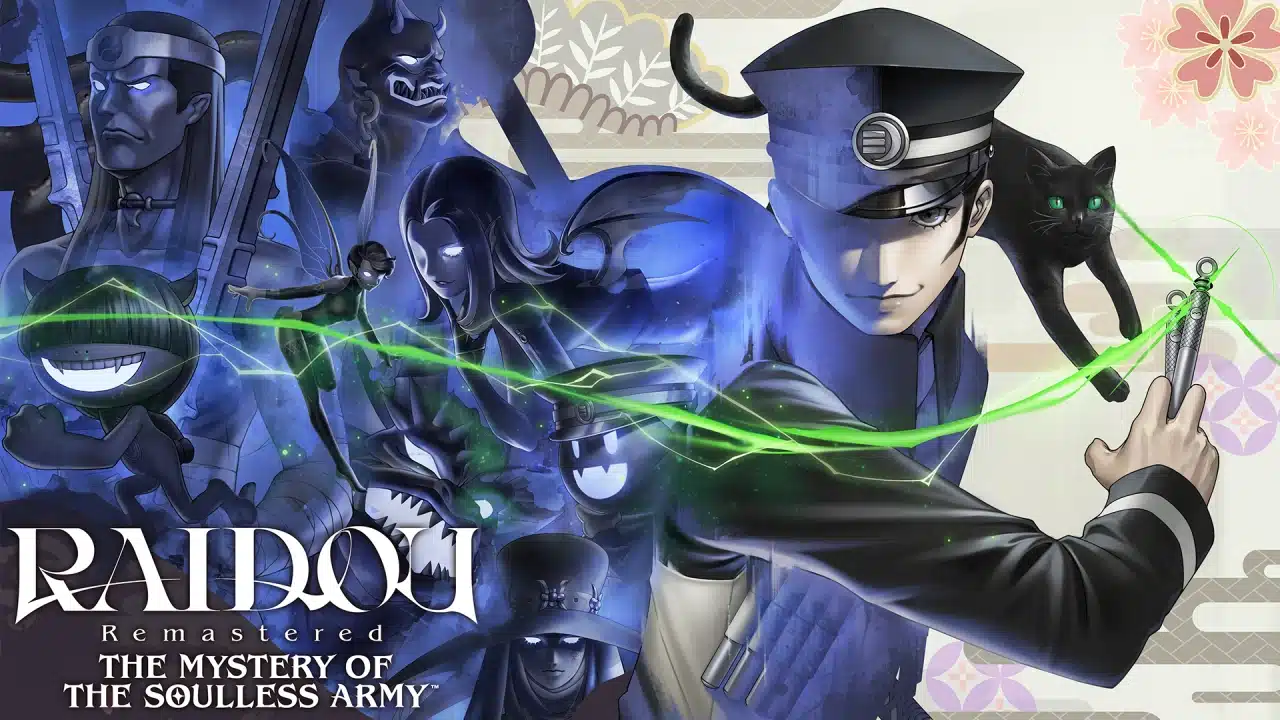
 The Shin Megami Tensei
 series comes in many forms, from the apocalyptic theological clashes of
Nocturne to the stylized social dilemmas of
Persona. But among its strangest, most ambitious, and most unique titles is
Raidou Kuzunoha vs. The Soulless Army, originally released for PS2 in 2006. With this remaster, Atlus brings back a game that, while never having the mainstream reach of its other entries, offered something no other contemporary RPG series quite managed to replicate:
a fusion of supernatural detective fiction, real-time action, and Japanese mythology, all set within an alternate history of 1920s Japan.
Raidou Remastered left its mark
The new version—which feels more like a polished remaster than a full remake—comes to PS5 with modest visual improvements, zero-load times, and welcome quality-of-life tweaks. And while the passage of time has left visible marks on some of its mechanics,
Raidou Remastered remains a fascinating, immersive, and strangely endearing experience.
It's important to mention that, while this is a remaster designed for a next-gen console, it's not appropriate to review a game with the criteria, considerations, and demands one would apply to a newly developed title. In other words, this review was based on the work that went into improving the game to the fullest extent possible.
Story: A demonic detective in a city in turmoil
The game puts us in the shoes of
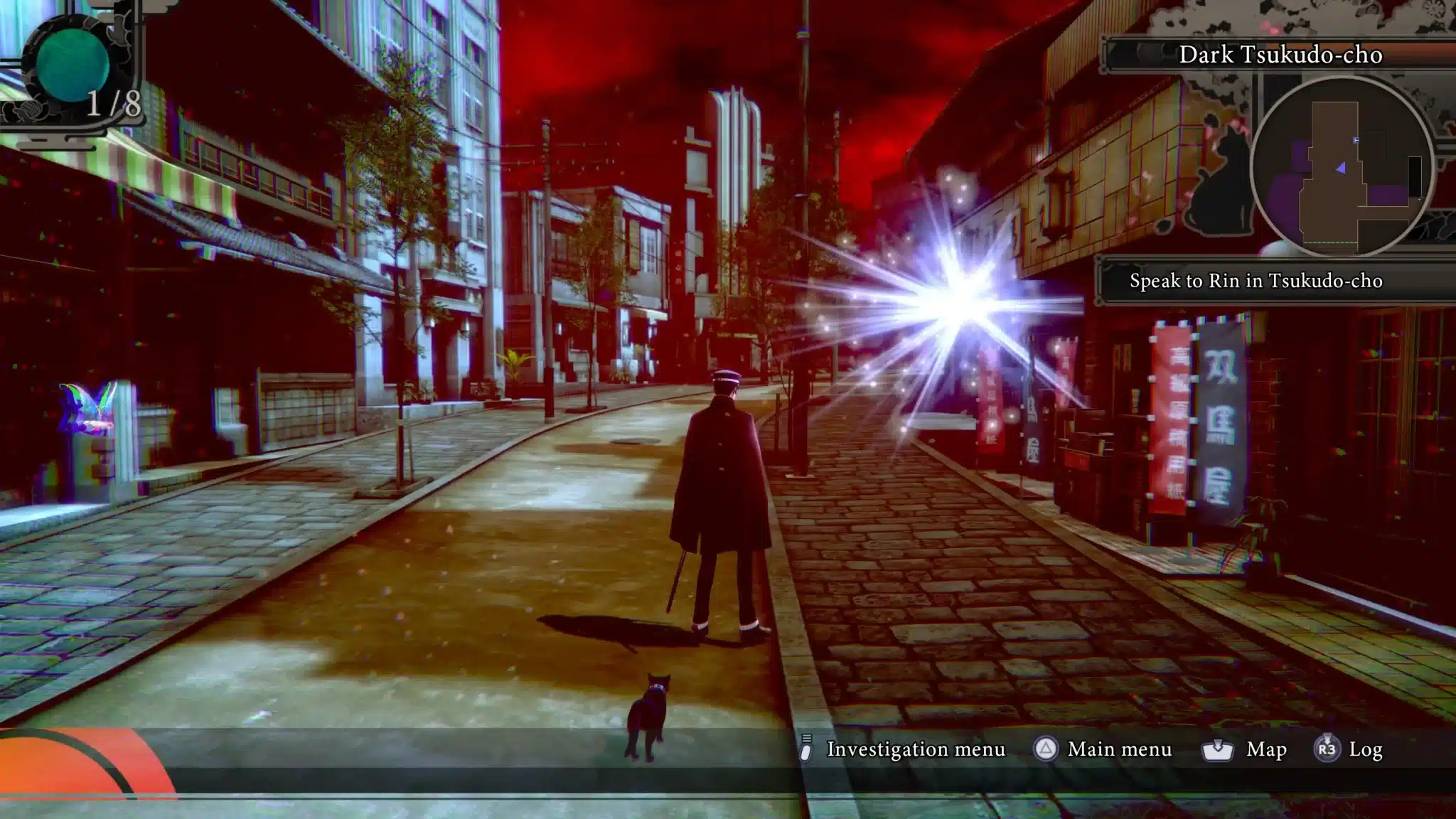
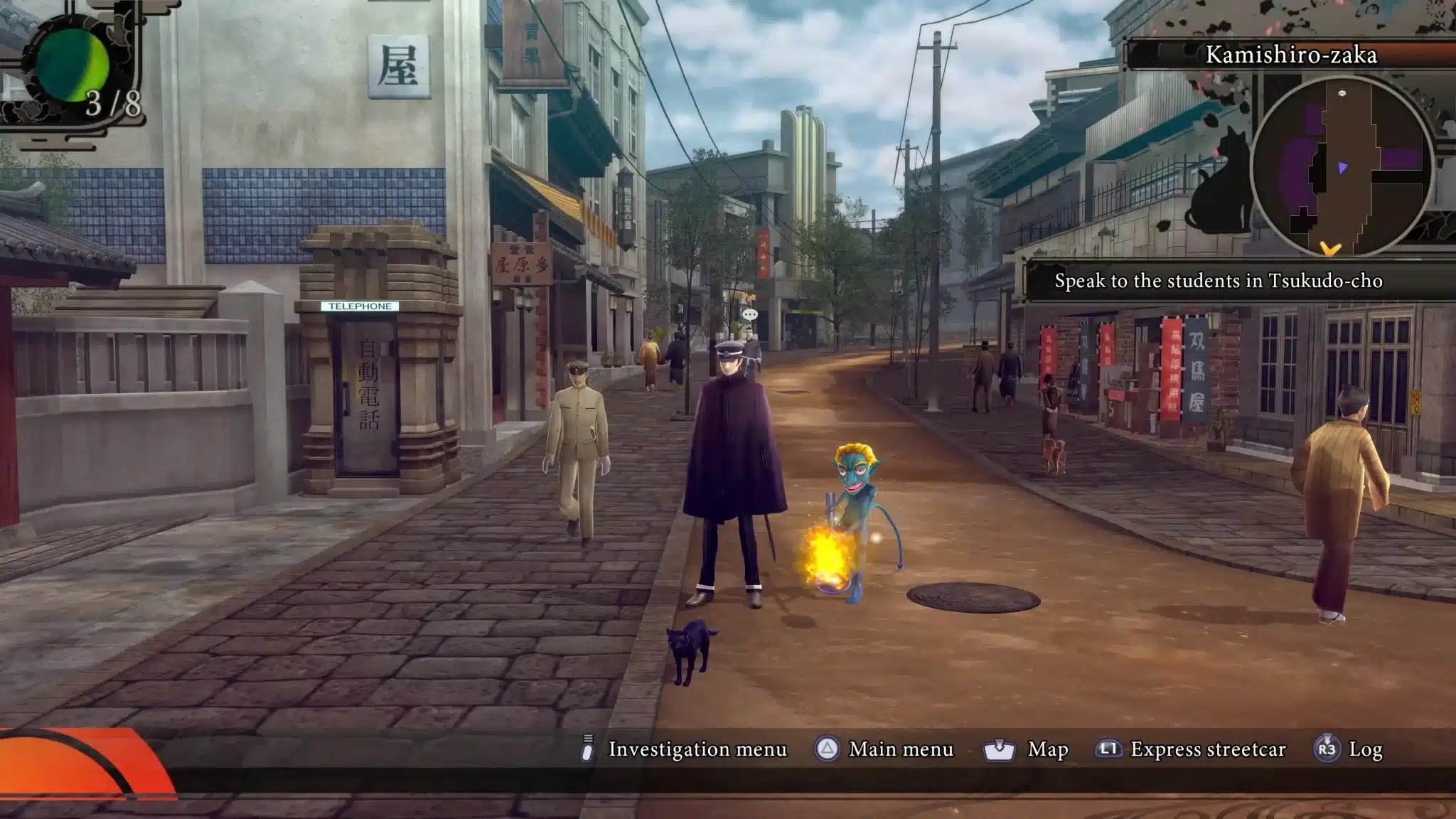
Raidou Kuzunoha XIV, the youngest of an ancient line of "Devil Summoners", demon summoners who operate from the shadows to maintain the balance between the human and spirit worlds. His role is more than mystical: Raidou works undercover as Detective Narumi's assistant at the Narumi Detective Agency, in the fictional Tsukudo-cho district of Japan's imperial capital. The setting, heavily inspired by the Taishō period (1912-1926), is a delight: a Japan halfway between Western modernity and ancient traditions, with trams, jazz, soldiers in imposing jackets and a strong dose of mysticism.
The plot kicks into high gear when a desperate young woman arrives at the agency and asks Raidou to kill her. From this seemingly isolated event, a complex story unfolds involving
military experiments on the human soul,
a secret unit called the Soulless Army,
the manipulation of dimensions and time, and mysterious figures that hover somewhere between the mythical and the scientific.
One of the most interesting aspects is that the game deals in a mature way with themes such as state control, nationalism, dehumanization in the name of progress, and the ambiguity of spiritual power. But all of this is presented through the lens of a detective adventure, where every clue and every conversation helps to unravel a larger puzzle.
Gameplay: Tactical action, exploration, and demonology in Raidou
Unlike other SMT titles,
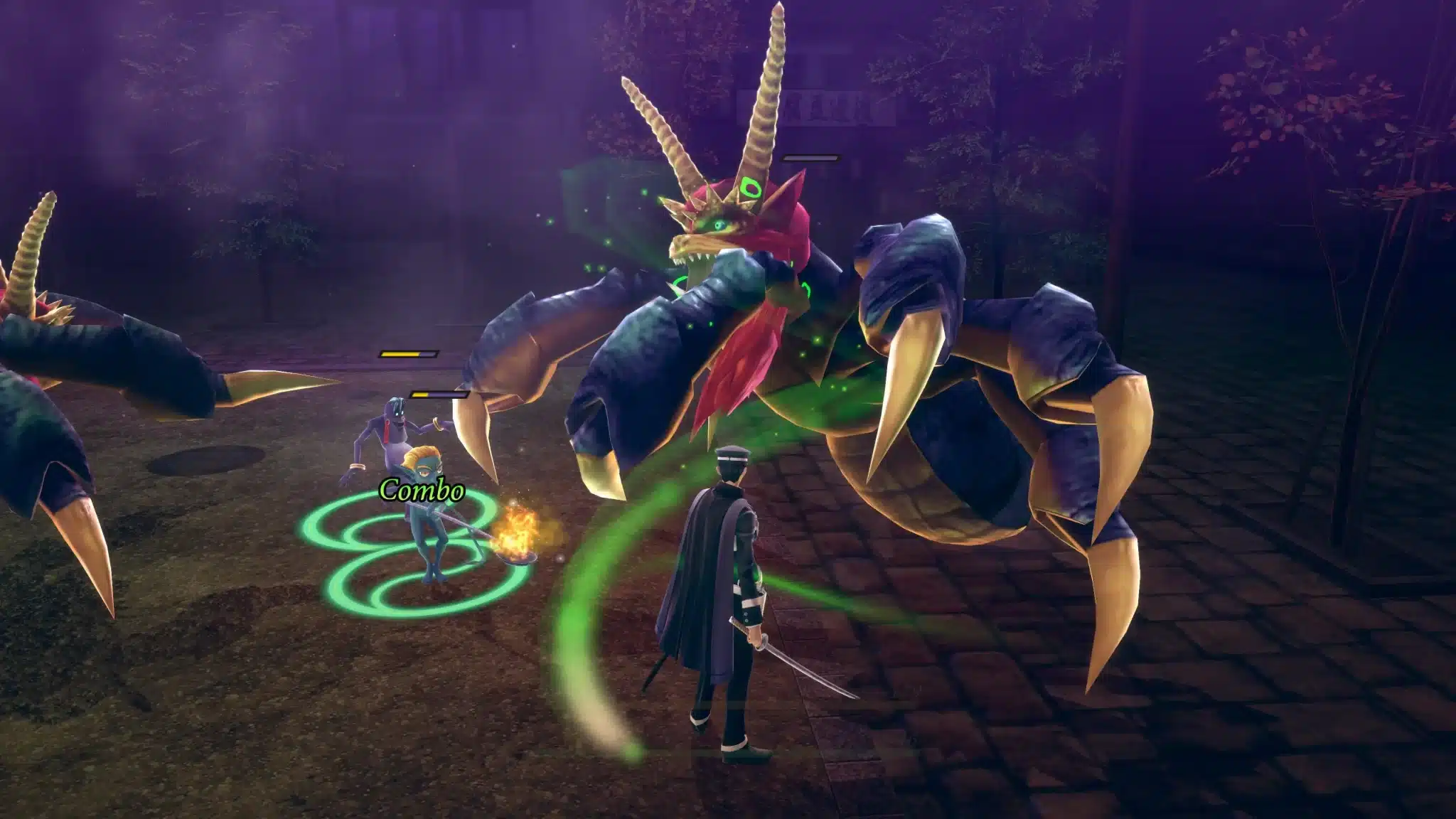
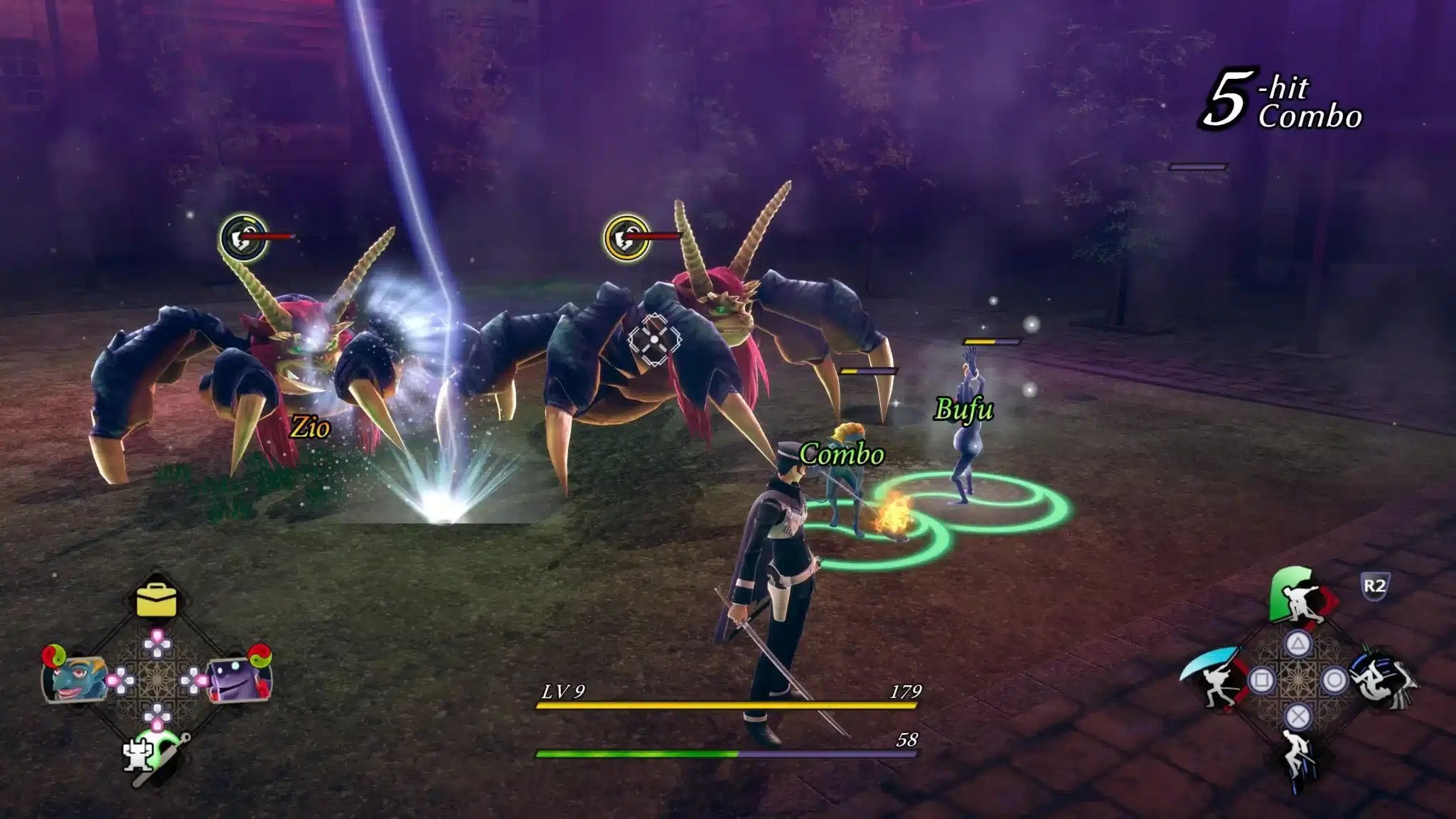
Raidou Remastered abandons turn-based combat and opts for a
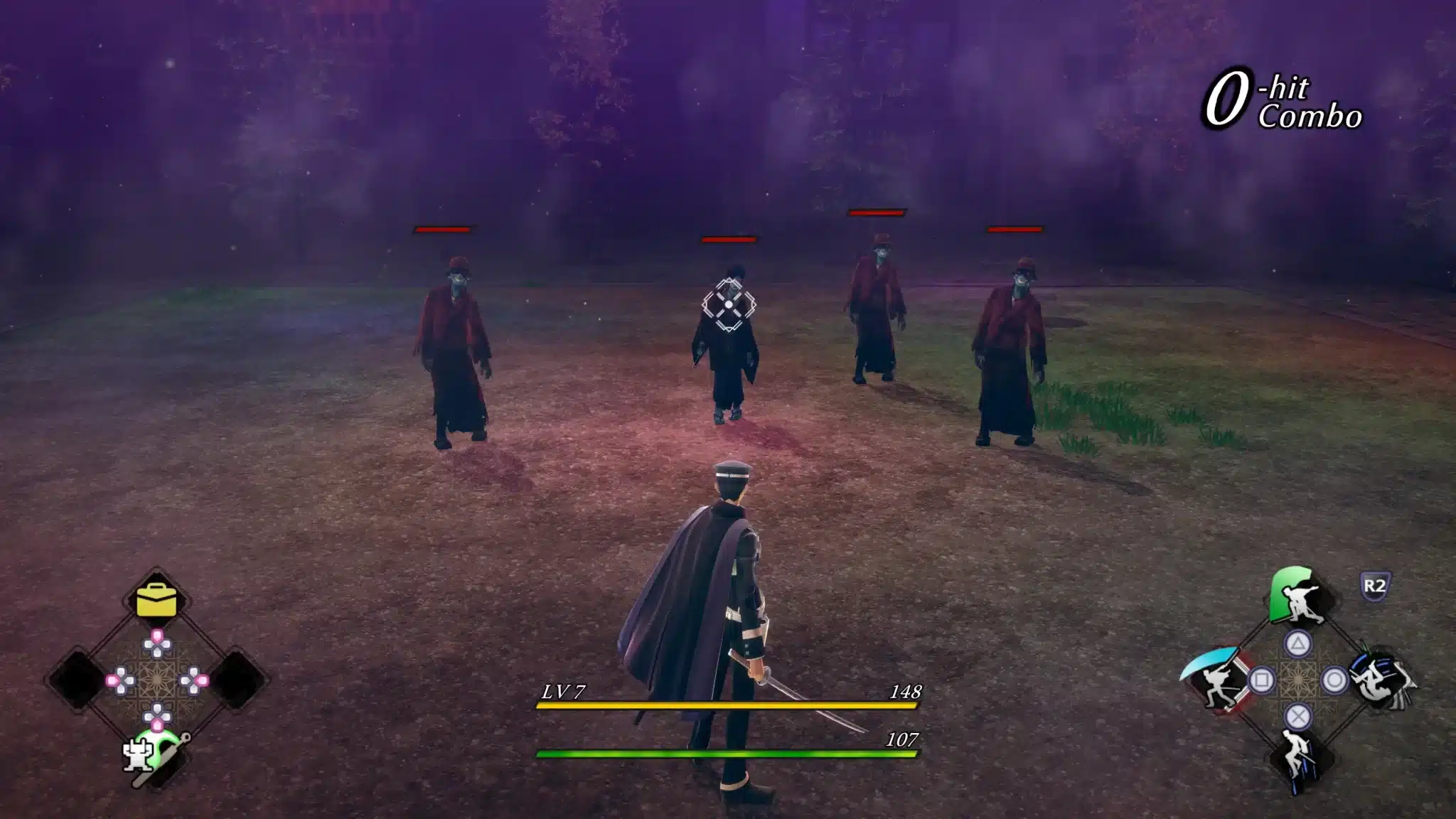
real-time action system. When you encounter enemies, you enter a defined "battlefield." Raidou can attack with his sword, use his revolver to weaken enemies, dodge, block, and—most importantly—
summon demons to fight by his side. The gameplay is quite similar to a hack-and-slash, only less frenetic and more focused on blending strategy and action.
You can only have one active demon at the start (later two), and each has unique combat and exploration abilities. Some are better at magic, others at physical combat, and many have special abilities outside of battle: reading NPC minds, teleporting, unlocking hidden areas, or floating on rivers.
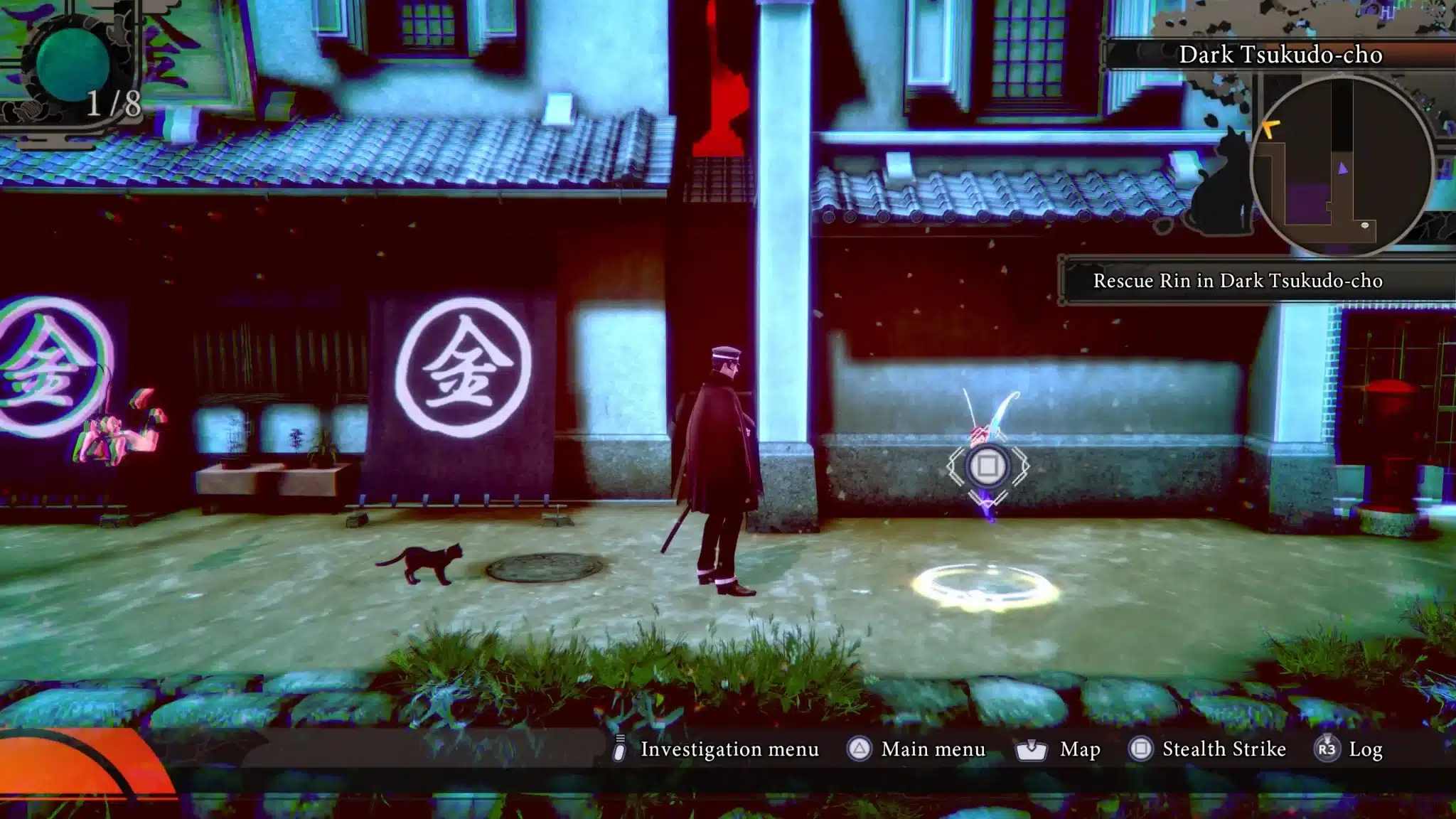
The combat system, while innovative for its time,
feels somewhat rigid and repetitive today. Demons sometimes have limited AI and don't always respond as they should, and Raidou's controls lack the fluidity offered by other more modern ARPGs. However, there's a layer of strategy in knowing which demons to use against which enemies, when to fuse them, and how to combine them to gain new abilities.
Demon fusion remains a cornerstone of the game, as in every SMT game. You can fuse demons with unpredictable results, inheriting abilities and finding new companions with useful skills for both combat and exploration. This adds depth and a lot of replayability.
Exploration and Research: An Alternative Japan Full of Secrets
Outside of combat,
Raidou Remastered shines as an interactive, investigative novel. Unlike today's open worlds, the environments here are more limited, but
dense with narrative and atmosphere. Wandering through the city's neighborhoods, speaking with merchants, conducting supernatural interrogations, and finding clues or quirky characters are all essential parts of the experience.
There are also segments where you must choose what to say or what action to take. This dynamic can affect the course of certain events or access to certain areas or demons. Furthermore, demons can influence the development of investigations: one can read a suspect's mind, another can infiltrate a military base in disguise.
All of this is accompanied by an atmosphere steeped in symbolism, Japanese folklore, and twisted science. You'll find references to both yokai and Japan's militaristic obsession in the first half of the 20th century.
Technical aspects and improvements on PS5
Visually, the remaster stays
true to the original's art style. It features improved resolution, cleaner textures, and a slightly more polished interface. It's not a ground-up rebuild like
Persona 3 Reload. It's a functional remaster that looks good on modern displays.
SEGA and ATLUS did a remarkable job on the graphics. Don't expect cutting-edge graphics, but expect decent and stable frame rates. This is excellent, especially in the more saturated parts, such as battles. There's a lot of color and magic that contrasts with the darkness of the environments and enemies, achieving a quality finish.
On
PS5, the game benefits greatly from near-instant load times, an improvement that makes the experience much smoother, especially when jumping in and out of combat.
Quick save, auto-save, and combat speed adjustments have also been added, allowing players to tailor the experience to their preferences.
The
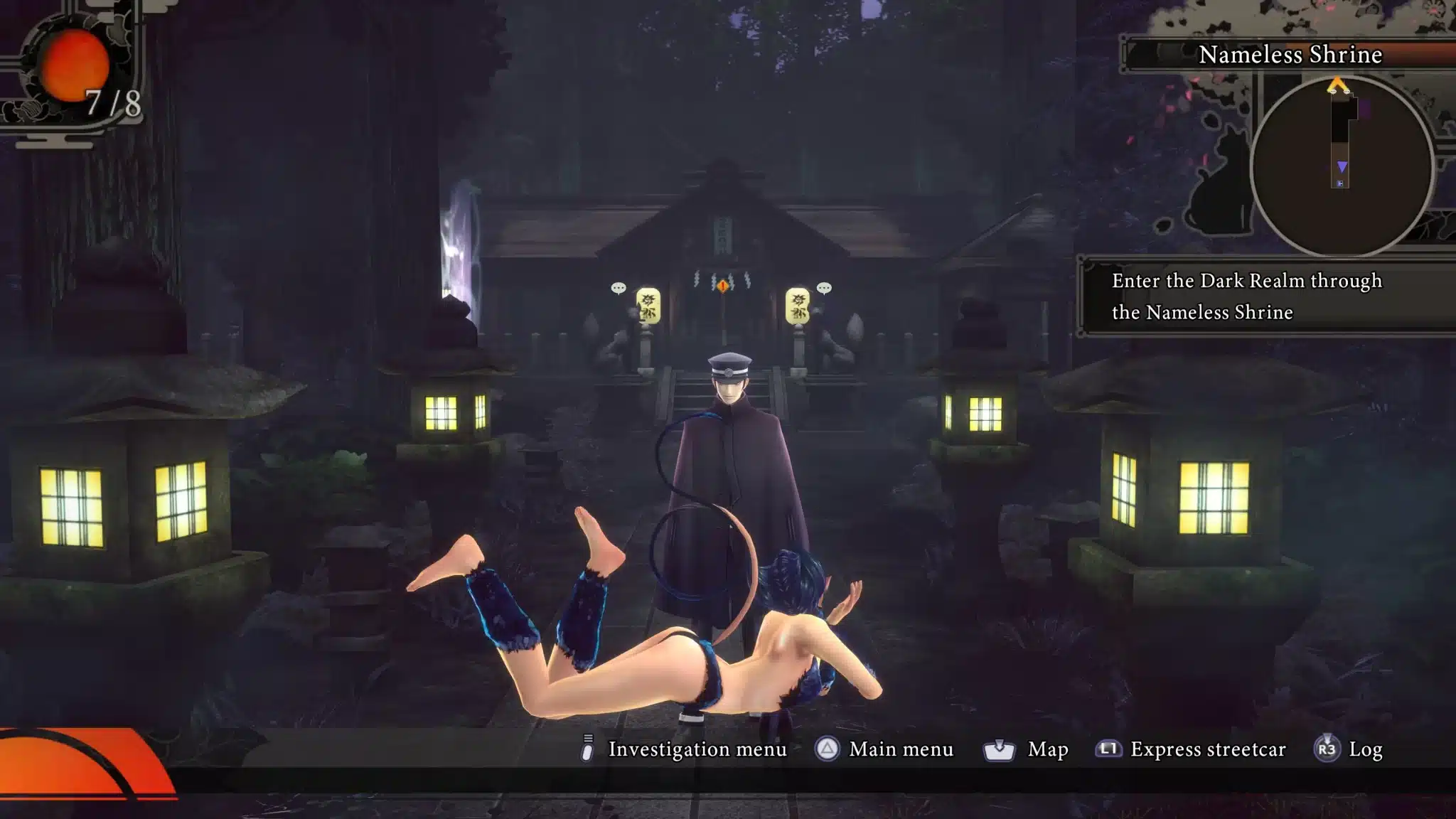
audio has been remastered with even greater clarity in
Raidou. The music composed by Shoji Meguro is one of the game's strongest points. It blends dark jazz, swing, traditional Japanese sounds, and synthesizers. This creates a unique soundscape, ideal for the game's detective and supernatural tones. If this title has survived to this day, it definitely owes a lot to the incredible music. There is no English dubbing; all voices are in Japanese, which enhances the immersion in the era.
Duration, difficulty and replayability
The main story can be completed in about
30 to 40 hours. If you choose to explore everything, collect all the demons, and perform the most complex fusions, you can easily exceed 60 hours. The game includes
New Game+, where you can keep demons, items, and progress. This incentivizes replays with different choices.
Conclusion: Is Raidou Remastered worth it today?
Raidou Remastered: The Mystery of the Soulless Army is a time capsule: an action RPG that once sought to be different, and now returns with enough dignity to warrant attention. While its combat system hasn't aged well, its
immersive atmosphere, mature story, memorable characters, and demonic mechanics ensure it a special place in the hearts of those who value unique experiences.
For fans of
Shin Megami Tensei, this is a must-buy. For those who enjoy
noir anime, Japanese mysticism and conspiracy-fueled plots, too. If you're looking for a modern, fast-paced and fluid action RPG, this may not be the title for you, but if you're willing to look beyond the outdated graphics or mechanics,
you'll find a gem worth rediscovering.
Raidou Remastered: The Mystery of the Soulless Army will be available from June 19, 2025 for all platforms, including
Nintendo Switch 2.

Post a Comment